
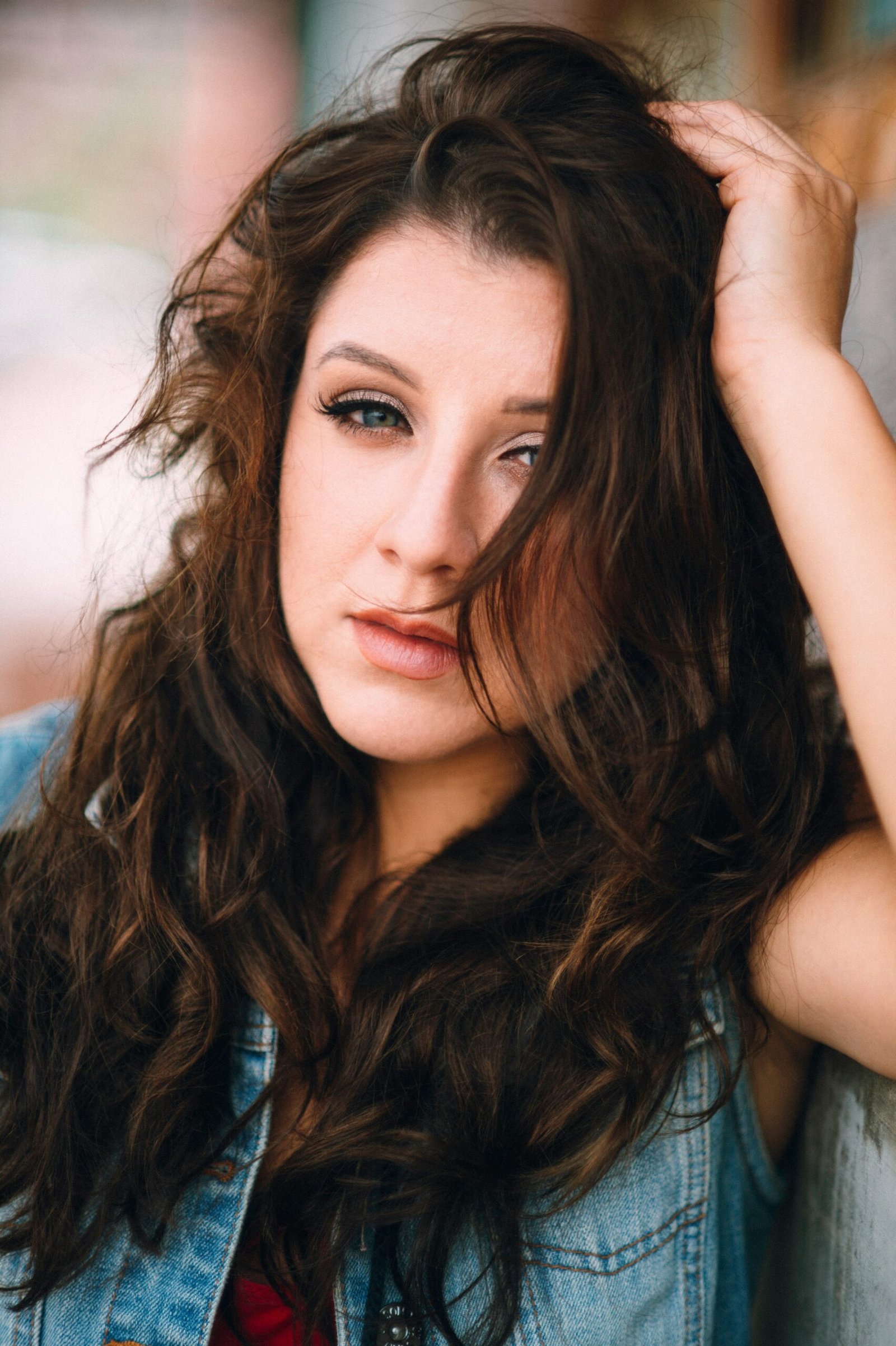
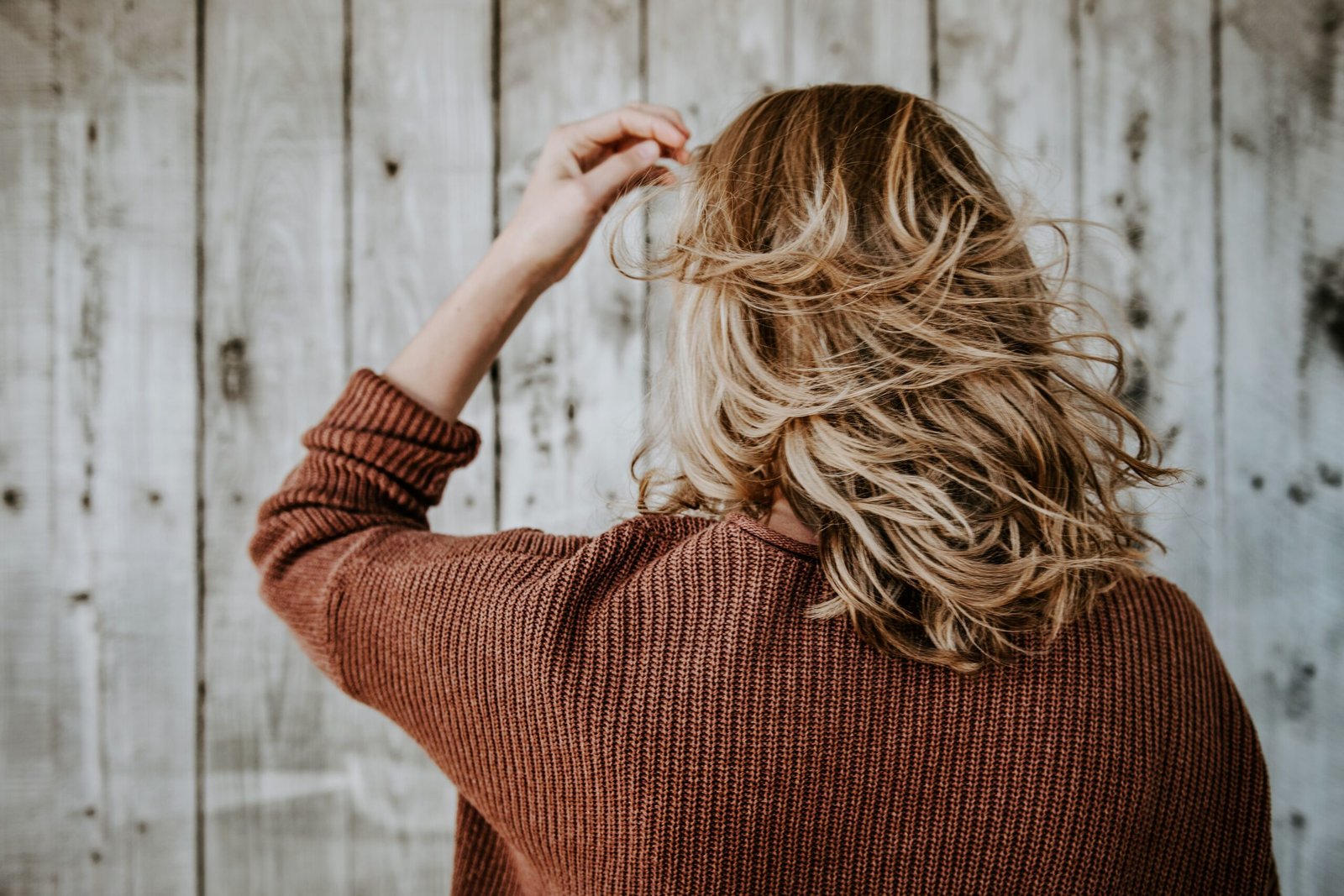
The 2B hair type is known for its natural S-shaped waves, which usually start around the middle of the hair rather than at the roots. This hair type sits between loose 2A waves and more defined 2C wavy hair. If your roots look straight but the rest of your hair forms natural waves, you may have 2B hair.
Understanding your natural wave pattern for 2B hair type can help you choose suitable hair products, hairstyles, and a simple hair care routine. In this guide, you will learn how to identify 2B hair, understand its common features, reduce frizz, and style your waves without making them feel heavy.
What Is the 2B Hair Type?
The 2B hair type belongs to Type 2,This 2B hair type is very common and easy to identify once you know the pattern , which includes wavy hair. It usually has medium, S-shaped waves that become more noticeable from the middle of the hair to the ends.
Unlike straight hair, 2B hair type has a visible wave pattern that defines the 2B hair type . However, its waves are not usually as tight as curls. The roots may remain relatively straight, while the lengths have more movement and texture.
Some common features of 2B hair include:
- S-shaped waves that start around the mid-lengths.
- Roots that look straighter than the ends.
- Natural movement and texture.
- Frizz in humid weather.
- Hair that can become flat when heavy products are used.
- Waves that may become less defined between wash days.
Every person’s hair is different. You may notice a mixture of wave patterns rather than one consistent shape throughout your hair.
How to Identify Your 2B Hair Type
You can observe your natural hair pattern at home without using special tools. Follow these simple steps to understand whether your hair may belong to the 2B category.
Step 1: Wash your hair. Use your regular shampoo and conditioner to clean your hair and remove product buildup.
Step 2: Avoid heavy styling products. For this simple check, skip styling creams, gels, and oils that may change your natural wave pattern.
Step 3: Let your hair air-dry. Gently remove extra water with a soft towel or microfiber towel. Avoid rubbing your hair roughly.
Step 4: Observe your waves. Look at your roots, mid-lengths, and ends. If the roots appear relatively straight and loose S-shaped waves become visible farther down, your hair may be 2B.
Remember that hair length, styling habits, and product use can affect how your waves appear. This method is a useful starting point, not a perfect test.
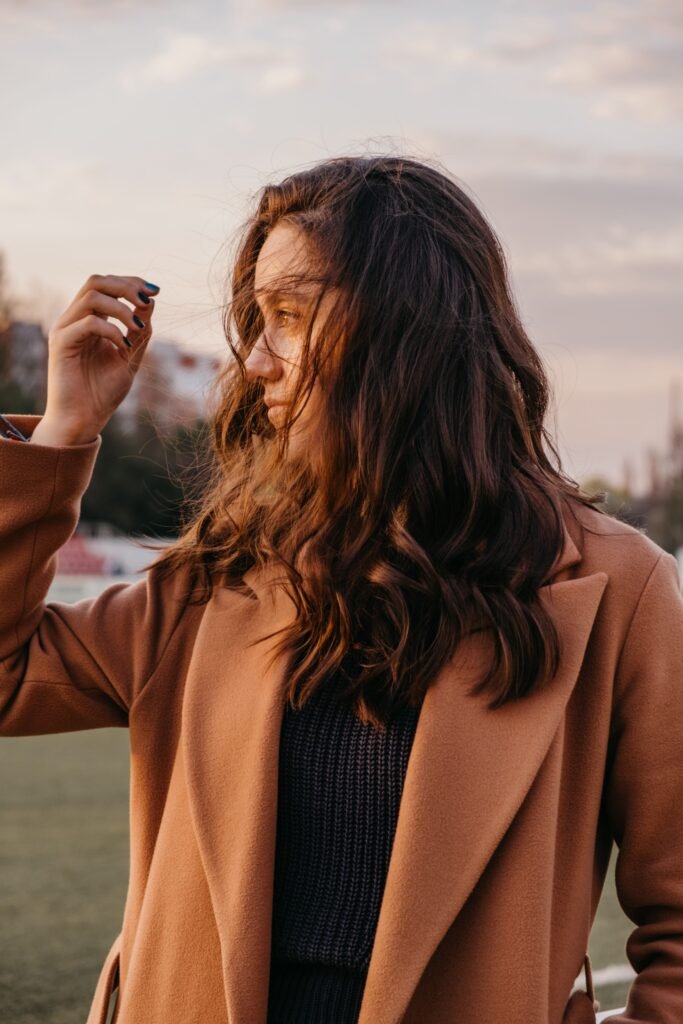
2B Hair Type vs. 2C Wavy Hair
The main difference between the 2B hair type and 2C wavy hair is the strength and starting point of the wave pattern.
2B hair usually has moderately defined waves that begin around the middle of the hair. In comparison, 2C wavy hair often has stronger, tighter S-shaped waves that start closer to the roots.
Here is a simple comparison:
- 2A hair: Soft, loose waves that may be difficult to notice.
- 2B hair: Clear S-shaped waves with relatively straight roots.
- 2C wavy hair: Stronger waves that begin closer to the roots and may look almost curly.
The difference between these patterns is not always obvious. Some people naturally have a combination of 2A, 2B, and 2C waves on different parts of their heads.
Curly vs. Wavy Hair: What Is the Difference?
Understanding curly vs. wavy hair can help you identify your natural texture and choose a suitable styling routine.
Wavy hair generally forms an S-shaped pattern. It has bends and curves but does not always form complete spirals. Curly hair, on the other hand, usually forms more defined loops, ringlets, or spiral shapes.
The 2B hair type falls into the wavy category because its strands usually form loose, visible S-shaped waves rather than complete curls.
Here are the main differences:
- Wavy hair: Has bends and S-shaped patterns with varying levels of definition.
- Curly hair: Usually forms more noticeable loops or spiral-shaped curls.
- 2B hair: Sits between softer waves and stronger, curl-like waves.
Hair texture can vary from person to person, so your hair may not fit perfectly into one category.
Best Hair Care Tips for Textured Hair
Following the right hair care tips for textured hair can help your natural waves look more defined and easier to manage. The goal is to maintain moisture, reduce unnecessary friction, and avoid products that weigh down your hair.
1. Choose a Gentle Shampoo
Use a shampoo that cleans your scalp without leaving your hair feeling excessively dry. A sulfate-free shampoo may be a suitable option if your hair feels dry after washing, although the best choice depends on your individual needs.
How often you wash your hair depends on your scalp, activity level, and product buildup. Some people with 2B hair prefer washing every two or three days, while others need a different schedule.
2. Apply Conditioner to the Lengths
Conditioner helps make your hair easier to detangle and style. Apply it mainly to the middle lengths and ends if your roots become flat or oily easily.
Choose a formula that provides enough moisture without making your waves feel heavy. Rinse thoroughly to avoid unnecessary residue.
3. Use Lightweight Styling Products
Heavy creams, thick oils, and large amounts of styling products may reduce the natural movement of 2B waves.
Try a small amount of lightweight mousse or gel on damp hair. Spread the product gently through the lengths and adjust the amount according to how your hair responds.
4. Scrunch Your Waves Gently
Scrunching is a simple styling technique that encourages the natural S-shaped pattern.
To try it, apply your styling product to damp hair. Cup the ends of your hair in your palms and gently push them upward toward your head. Repeat in small sections without pulling or stretching the strands.
5. Use a Microfiber Towel
Rubbing your hair with a regular towel can disturb the wave pattern and increase frizz. Instead, gently squeeze excess water from your hair with a microfiber towel or a soft cotton T-shirt.
Avoid twisting or rubbing your hair roughly while drying it.
6. Avoid Brushing Dry Waves Too Much
Brushing dry 2B hair may separate the natural wave groups and make the hair appear puffier. If your hair tangles easily, try detangling it while damp with conditioner and a wide-tooth comb.
Start at the ends and work upward gently to avoid pulling on knots.
Easy Hairstyles for the 2B Hair Type
One of the best things about 2B hair is its natural texture. You can wear it loose, create simple updos, or try different cuts that work with your waves.
Beachy Waves
Beachy waves are a natural choice for 2B hair. Apply a small amount of lightweight mousse or gel to damp hair, scrunch gently, and allow it to air-dry.
Half-Up, Half-Down Hairstyle
This hairstyle keeps some hair away from your face while allowing the rest of your waves to remain visible. You can create it with a simple clip, hair tie, or decorative accessory.
Wavy Layers
Layers can help add movement and shape to 2B hair. Ask your hairstylist to consider your hair length, density, and natural wave pattern before choosing a cut.
Loose Bun
A loose bun is an easy option for casual days. Avoid tying your hair too tightly, and allow a few natural waves to frame your face if you prefer a relaxed style.
Side-Parted Waves
Changing your part can create a different look without requiring complicated styling. Try a side part and gently arrange your waves with your fingers.
What Is the Difference Between 2B Hair and 1A Hair Type?
The 1A hair type is usually very straight, fine, and naturally smooth, with little or no visible wave pattern. In comparison, 2B hair has noticeable S-shaped waves that create more texture and movement.
Here are the key differences:
- 1A hair type: Mostly straight from the roots to the ends.
- 2B hair type: Relatively straight roots with visible waves along the lengths.
- Styling needs: 1A hair may need products that add texture or volume, while 2B hair often benefits from lightweight products that define its natural waves.
These categories describe common patterns, not strict rules. Hair thickness, density, and individual styling habits can vary within each type.
Common Mistakes to Avoid With 2B Hair
A few everyday habits can make your waves look less defined. Avoiding these mistakes may help you get better results from your routine.
- Using too much product: Excess product can weigh down waves and make them look flat.
- Applying heavy creams near the roots: This may reduce volume at the top of your head.
- Rubbing hair with a towel: Rough drying can disturb your natural wave pattern.
- Brushing dry hair repeatedly: This can separate waves and increase the appearance of frizz.
- Using heat too frequently: Repeated heat styling may affect the look and feel of your hair.
- Changing products too often: Give a new routine some time before deciding whether it suits your hair.
You do not need a large collection of products to care for 2B hair. A gentle shampoo, suitable conditioner, and one lightweight styling product may be enough to get started.
Frequently Asked Questions About the 2B Hair Type
Is 2B hair curly or wavy?
The 2B hair type is classified as wavy. Its main feature is a visible S-shaped pattern rather than the tighter spirals commonly associated with curly hair.
Is 2B hair easy to manage?
It can be manageable with a consistent routine. Gentle detangling, suitable conditioning, and lightweight styling products may help keep the waves defined.
Can 2B hair become curly?
Styling techniques such as scrunching, finger coiling, and diffusing may make the natural wave pattern look more defined. However, results vary depending on your individual hair texture.
Which products work well for 2B hair?
A gentle shampoo, a suitable conditioner, and a lightweight mousse or gel are useful starting points. Choose products based on how your hair responds instead of relying only on its type label.
How can I reduce frizz in 2B hair?
Try conditioning the lengths, handling wet hair gently, avoiding rough towel drying, and using a small amount of lightweight styling product. Humidity and your individual hair characteristics can also affect frizz.
Final Thoughts
The 2B hair type is known for its natural S-shaped waves, texture, and styling versatility. Learning where your waves begin and how your 2B hair type responds to different products can help you build a routine that suits your 2B hair type needs.
Start with gentle cleansing, suitable conditioning, and simple styling methods for 2B hair type such as scrunching and air-drying. You can also experiment with beachy waves, loose buns, and layered cuts to explore different looks for 2B hair type.
The most important thing is to understand your own 2B hair type rather than follow every trend. With a little patience and a consistent routine, you can find a way to care for and style your natural 2B hair type comfortably.