

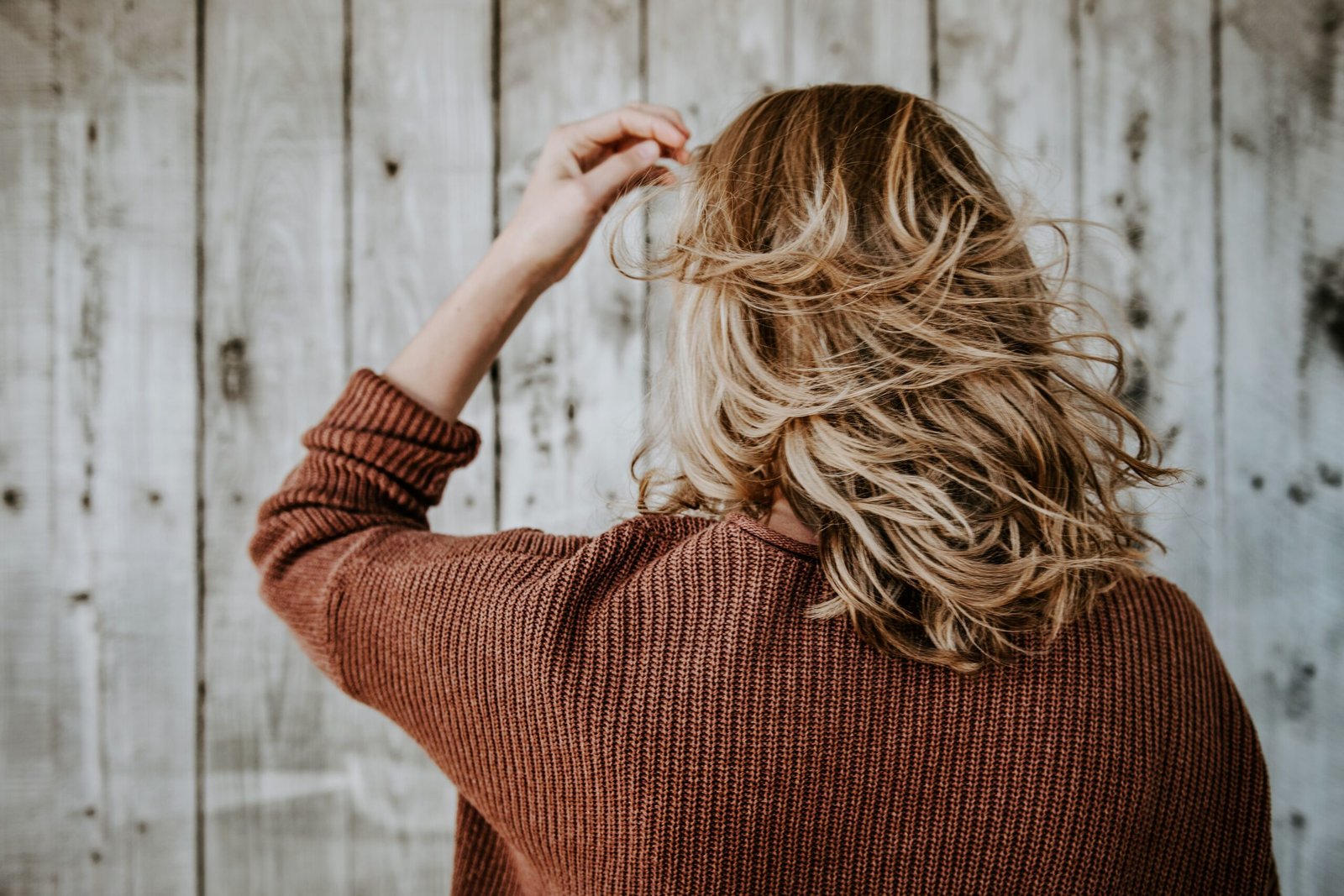
Type 2A hair is a type of wavy hair known for its soft, loose waves and naturally relaxed appearance. It usually looks quite straight near the roots, while gentle S-shaped waves appear along the middle and ends. If your hair is not completely straight but does not form tight curls, you may have type 2A hair.
Understanding your natural hair pattern can help you choose suitable hairstyles, styling products, and a simple hair care routine. In this guide, you will learn how to identify type 2A hair, understand its main characteristics, and style your waves without making your routine complicated.
What Is Type 2A Hair?
Type 2A hair belongs to the wavy hair category in the commonly used hair typing system. This system divides hair patterns into four main groups: Type 1 straight, Type 2 wavy, Type 3 curly, and Type 4 coily.
Type 2 hair has three subtypes: 2A, 2B, and 2C. Type 2A has the loosest wave pattern of these three.
The waves are usually gentle and may become more noticeable from the middle of the hair toward the ends. Some people have fine strands, while others have medium or coarse strands. This means that not everyone with type 2A hair will have the same amount of volume or texture.
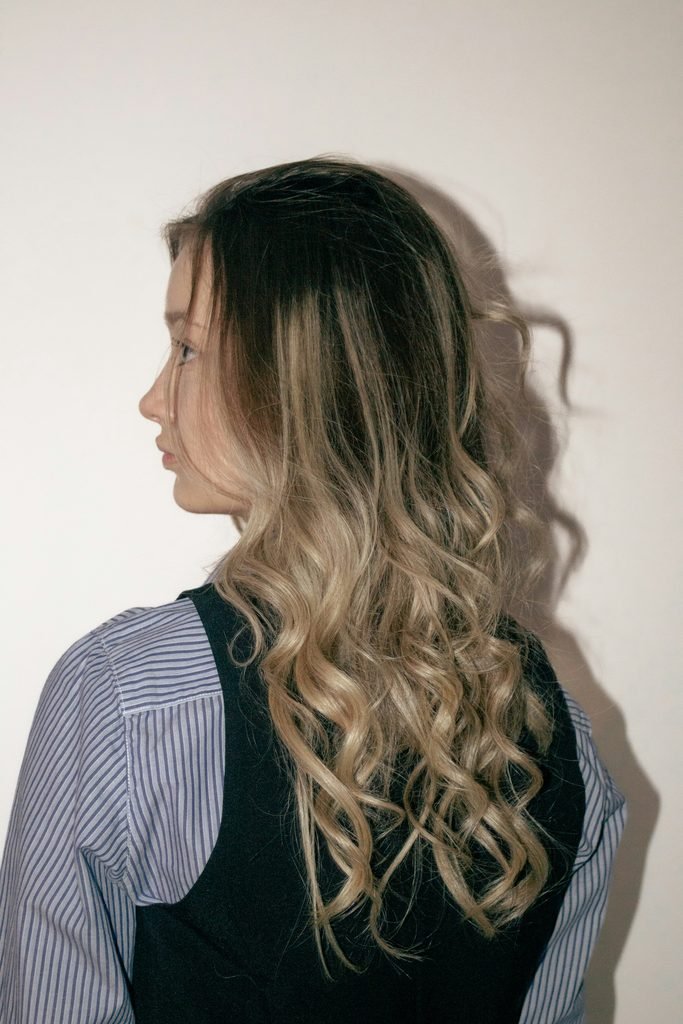
What Are the Main Characteristics of Type 2A Hair?
You may have type 2A hair if you notice several of these features:
- Loose S-shaped waves: Your hair forms gentle bends rather than tight curls.
- Straighter roots: The hair near your scalp may look relatively straight.
- Soft texture: Your waves may look relaxed instead of strongly defined.
- Flat roots: Some people find that their hair lacks volume near the crown.
- Waves that change throughout the day: Your natural pattern may become less visible after brushing or styling.
- Different strand thicknesses: Type 2A hair can be fine, medium, or coarse.
These are general clues, not strict rules. Your hair may show a mixture of patterns, and that is completely normal.
How to Identify Type 2A Hair at Home
You do not need special equipment to start identifying your natural hair pattern. Try these simple steps.
1. Wash Your Hair
Wash your hair with a shampoo that suits your scalp and follow with an appropriate conditioner. Rinse well so that heavy product residue does not affect how your hair looks.
2. Let Your Hair Dry Naturally
After washing, gently squeeze out excess water using a soft T-shirt or microfiber towel. Avoid rubbing your hair roughly. Let it air-dry without straighteners, curling irons, or heavy styling products.
3. Observe Your Natural Wave Pattern
When your hair is dry, look at its shape. Type 2A hair often appears mostly straight at the roots, with loose S-shaped waves developing further down the strands.
4. Compare Your Waves With Other Hair Types
If your hair looks almost straight with only a slight bend, it may be closer to Type 1C. If it has more visible S-shaped waves, it may be Type 2B. If your hair forms clear spiral curls, you may have a Type 3 pattern.
5. Notice Your Hair Texture
Hair pattern and hair texture are different things. Pattern describes whether your hair is straight, wavy, curly, or coily. Texture usually describes the thickness of individual strands, such as fine, medium, or coarse.
You can use these observations as a starting point, but a single home test cannot determine every feature of your hair.
Wavy vs Curly Hair: What Is the Difference?
When comparing wavy vs curly hair, the main difference is the shape of the hair pattern. Wavy hair usually forms loose S-shaped bends, while curly hair often forms more defined loops or spiral shapes.
Wavy hair may look straighter near the roots, with waves appearing along the middle and ends. Curly hair can have more visible curls throughout its length, although curl patterns vary from person to person.
Both curly and wavy hair can have different strand thicknesses. Some people may also have a mixture of waves and curls on different parts of their head.
Knowing the difference can help you understand your natural hair pattern and choose hairstyles and products that suit your hair.
Type 2A Hair vs. Type 1C Hair
Type 1C and type 2A hair can look similar, which makes them easy to confuse.
Type 1C hair is mainly straight but may have slight bends or movement. Type 2A hair usually has a more noticeable S-shaped wave pattern, particularly through the middle and ends.
If your hair looks straight after drying but develops gentle waves as it settles, compare it with both patterns rather than relying on one feature alone.
Type 2A Hair vs. Type 2B Hair
The main difference between type 2A and type 2B hair is the definition of the waves.
Type 2A hair generally has loose, subtle waves that may begin farther from the roots. Type 2B hair usually has more visible S-shaped waves, which can start closer to the scalp.
Type 2B hair may also appear fuller or more textured, but strand thickness varies from person to person. If you are unsure which subtype describes you best, focus on your natural wave pattern rather than trying to fit every feature into one category.
How to Care for Type 2A Hair
A simple hair care routine can help your waves look more defined and easier to style. You do not need a large collection of products.
Choose a Suitable Shampoo and Conditioner
Use a shampoo that cleans your scalp without leaving your hair feeling excessively dry. Apply conditioner mainly where your hair needs it, often through the middle and ends.
The best washing schedule depends on your scalp, activities, and how quickly your hair becomes oily. There is no single schedule that works for everyone with type 2A hair.
Avoid Heavy Styling Products
Some type 2A hair patterns can lose volume when too much product is applied. Start with a small amount of lightweight mousse, gel, or leave-in conditioner if you want to enhance your waves.
Add more only if needed. A heavy cream is not automatically wrong for every person, but it may weigh down finer strands.
Dry Your Hair Gently
Avoid rough towel-drying because it can disturb your natural wave pattern and create tangles. Instead, gently squeeze out water and let your hair air-dry when convenient.
If you use a blow-dryer, try a diffuser on a suitable heat and airflow setting. Use heat protection when applying heat to your hair.
Detangle Carefully
Use a wide-tooth comb or another detangling tool that works for your hair. Detangling when your hair is damp and has conditioner or a suitable detangling product may make the process easier.
Work gently through knots instead of pulling the comb through them.
How to Fix Flat Hair
If your hair looks flat, especially near the roots, a few simple changes may help it look fuller. Type 2A hair can sometimes lose its natural volume when heavy products weigh down the strands.
Here are some easy tips on how to fix flat hair:
- Use lightweight products: Choose a lightweight mousse instead of applying too much heavy cream.
- Avoid too much conditioner at the roots: Apply conditioner mainly to the middle and ends if that works for your hair.
- Try a different parting: Changing your side part or middle part can give your hairstyle a different look.
- Scrunch your damp hair: Gently scrunch your hair upward with your hands to help your natural waves become more visible.
- Dry your roots gently: You can lift your roots with your fingers while drying your hair on a suitable setting.
- Avoid excessive product buildup: Use a shampoo that cleans your scalp properly and suits your hair.
You do not need to try every tip at once. Start with one or two changes and see which ones work best for your hair.
Best Products for Type 2A Hair
The right products depend on your strand thickness, scalp, porosity, and styling preferences. These are common options to consider:
- Lightweight shampoo: For cleaning the scalp and removing everyday buildup.
- Light conditioner: For making the lengths easier to detangle.
- Hair mousse: For adding body and helping loose waves hold their shape.
- Lightweight gel: For defining waves and providing styling hold.
- Leave-in conditioner: For extra softness when your hair needs more conditioning.
- Heat protectant: For use before heat styling according to the product instructions.
Start with one styling product at a time. This makes it easier to see what works for your hair without creating unnecessary buildup.
Best Hairstyles for Type 2A Hair
Type 2A hair can work with short, medium, and long hairstyles. Choose a style that suits your preferred length and the amount of daily styling you want to do.
Shoulder-Length Hair
A shoulder-length cut allows loose waves to remain visible without requiring a complicated styling routine. Light layers may help add movement, depending on your hair’s thickness.
Long, Loose Waves
If you prefer longer hair, you can highlight your natural wave pattern by applying a small amount of styling product to damp lengths and allowing your hair to dry.
Side-Part Hairstyle
A side part changes how your hair sits around the crown and face. It is a simple way to create a different look without changing your haircut.
Soft Layers
Soft layers can add movement to some hair lengths and textures. Ask your stylist how the layers will work with your natural wave pattern before choosing a cut.
How to Make Type 2A Hair Look Wavier
If you want more visible waves, try this simple routine:
- Start with freshly washed, damp hair.
- Apply a small amount of lightweight mousse or wave-defining gel.
- Gently scrunch your hair upward with your hands.
- Allow it to air-dry or use a diffuser on a suitable setting.
- Avoid repeatedly brushing your hair once the waves have formed.
Results will vary depending on your natural pattern, haircut, and products. Styling can enhance your existing waves, but it cannot guarantee a permanent change in hair type.
Common Type 2A Hair Styling Mistakes
A few habits can make loose waves harder to manage:
- Using too much styling product at once.
- Brushing repeatedly after waves have formed.
- Rubbing wet hair roughly with a towel.
- Applying heat without suitable protection.
- Choosing products only because they are labelled for curly hair.
- Expecting every section of hair to form exactly the same wave pattern.
Keep your routine simple and change one step at a time to learn what suits your hair.
Frequently Asked Questions About Type 2A Hair
Is Type 2A Hair Straight or Wavy?
Type 2A hair is classified as wavy. It often has straighter roots and loose S-shaped waves along the lengths.
Can Type 2A Hair Be Fine or Thick?
Yes. Type 2A describes the wave pattern, not the thickness of each strand. Hair can be fine, medium, or coarse while having a type 2A pattern.
How Can I Make Type 2A Hair Look More Defined?
Try applying a small amount of lightweight mousse or gel to damp hair, gently scrunching it, and allowing it to dry without repeated brushing.
Is Type 2A Hair the Same as Type 2B Hair?
No. Type 2A usually has looser, subtler waves, while type 2B generally has more defined S-shaped waves.
Can I Have More Than One Hair Type?
Yes. Different sections of your head may have different wave or curl patterns. Hair typing is a general guide rather than a strict classification.
What Is the Best Haircut for Type 2A Hair?
Shoulder-length cuts, soft layers, and longer styles with loose waves are possible options. The best choice depends on your hair thickness, face-framing preferences, and styling routine.
Final Thoughts
Type 2A hair is known for its loose, natural waves and flexible styling options. You can begin identifying it by observing your hair after washing and letting it dry naturally. Once you understand your wave pattern, choose a simple routine, use products that suit your individual hair, and experiment with hairstyles that fit your preferences.
Remember that the hair typing system is only a guide. Your strand thickness, density, and porosity also influence how your hair looks and responds to products.

1 Comment
[…] Type 2A Hair: Ultimate Guide to Identify Care & Style […]