

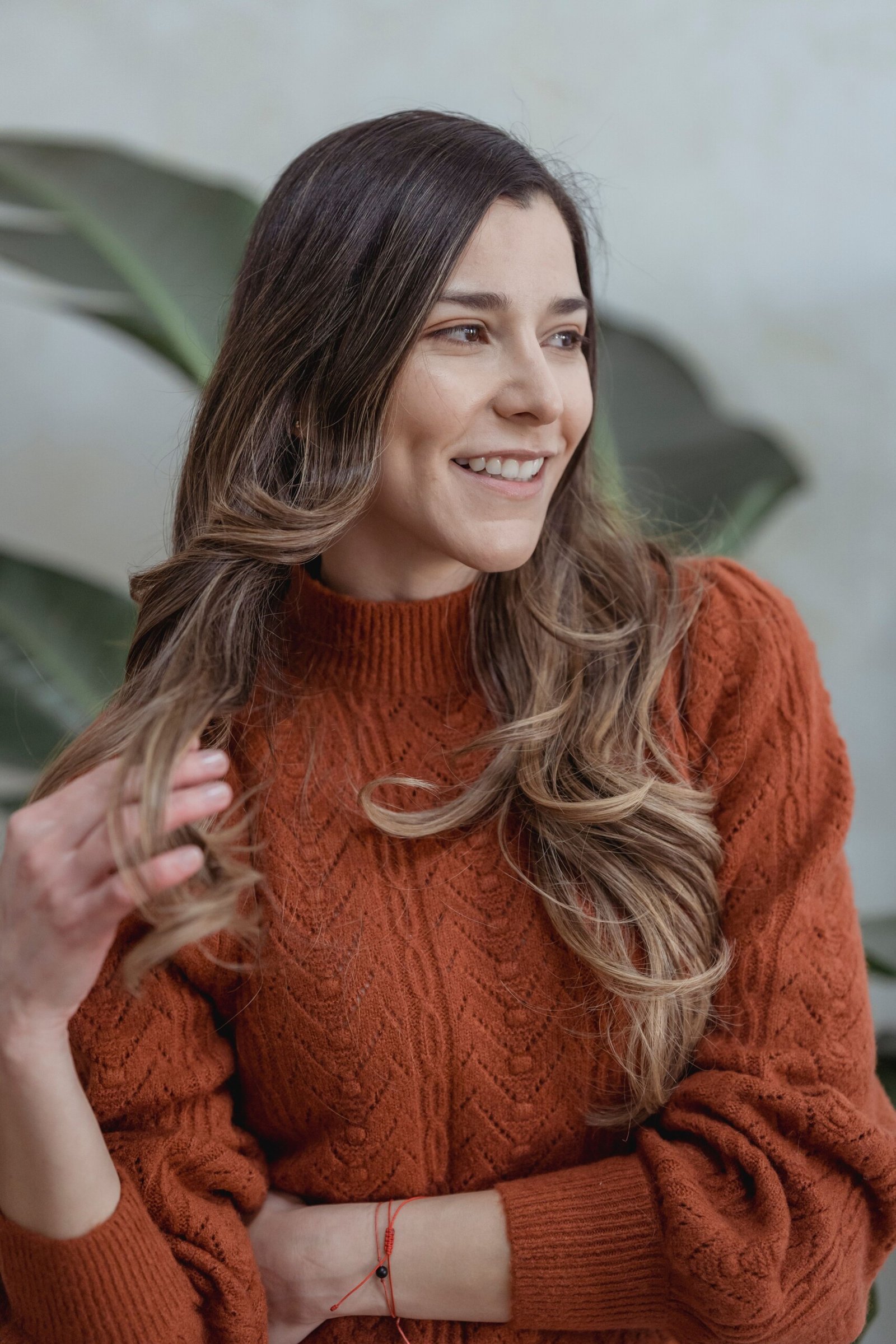
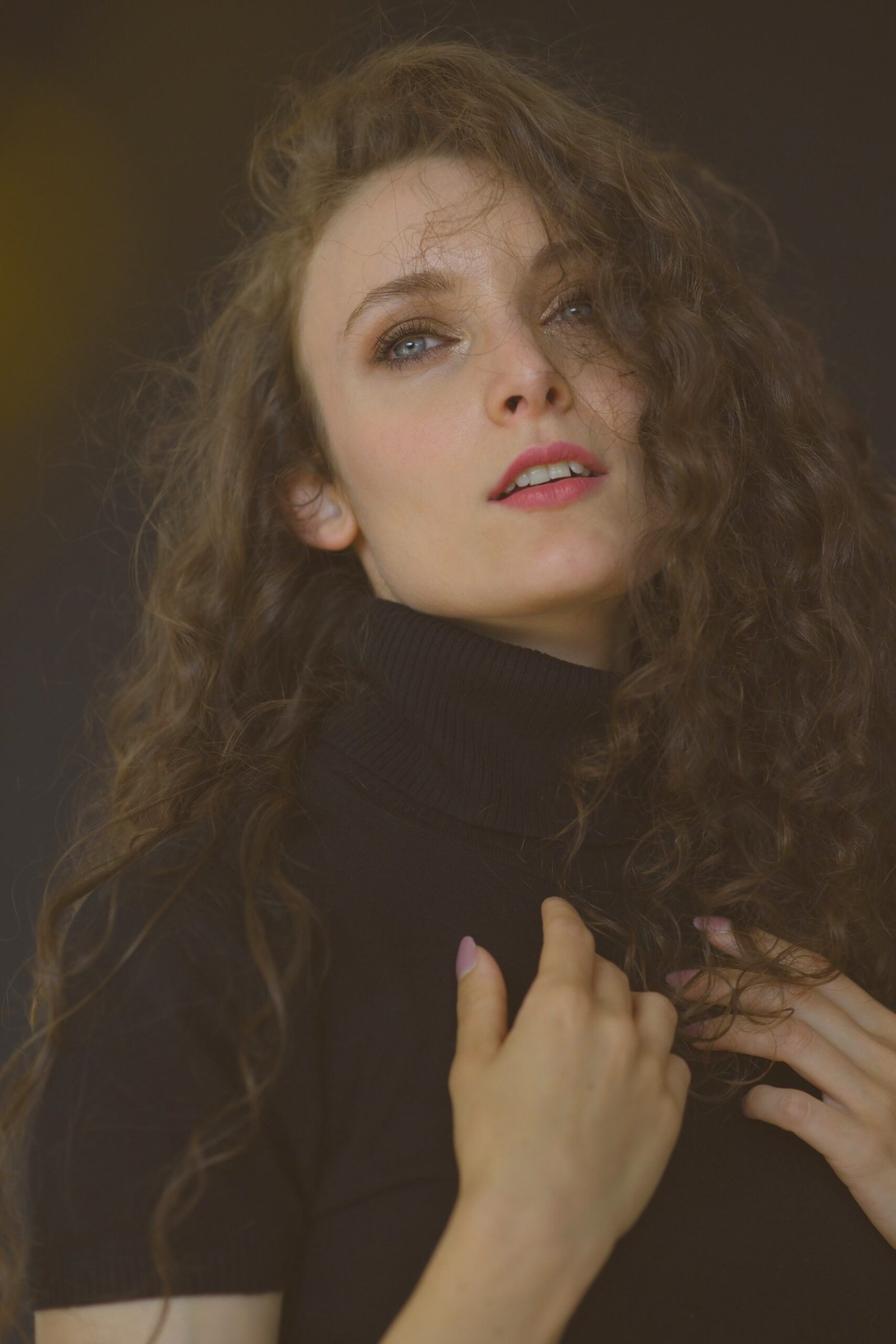
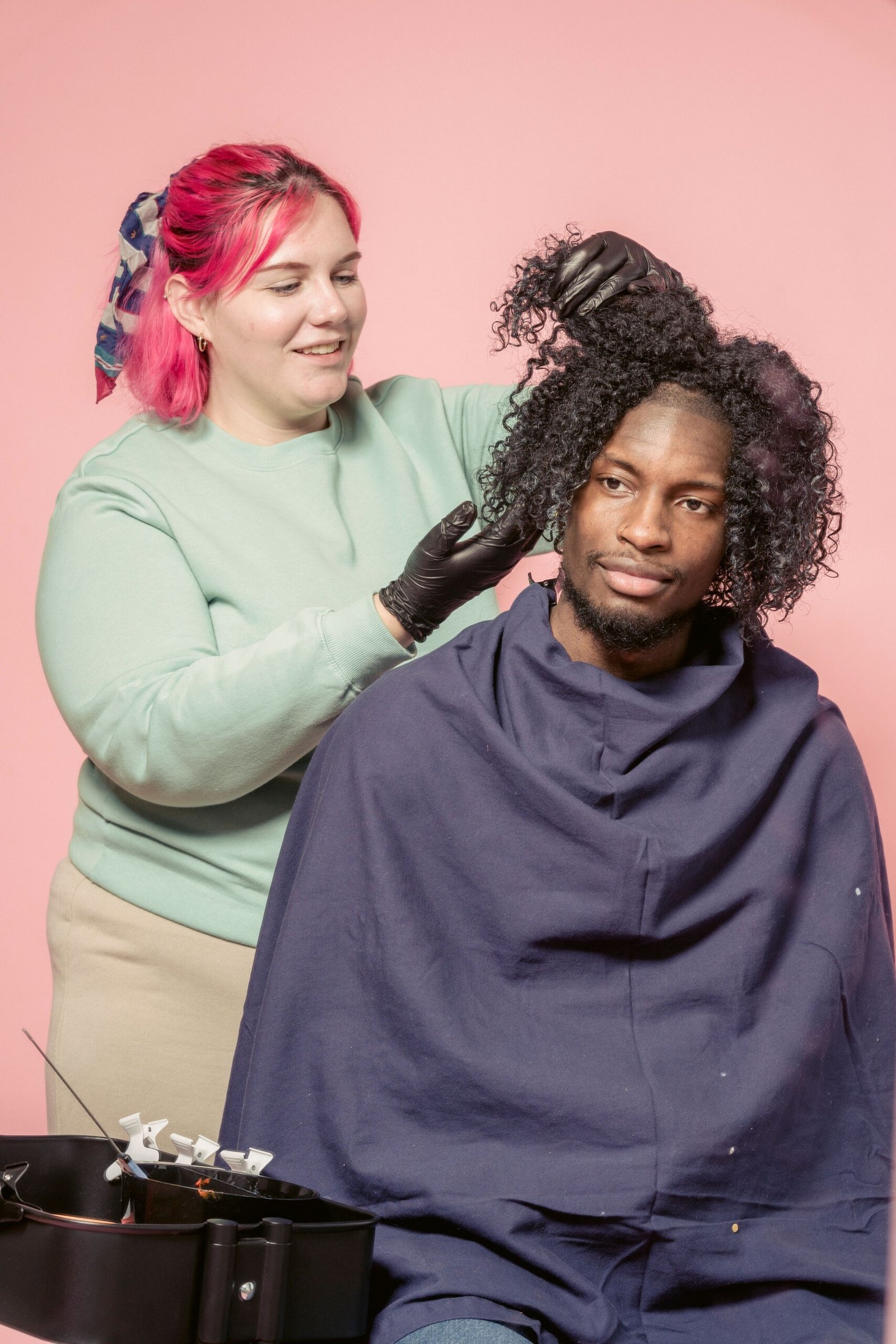
Fine curly hair needs a little extra care because fine strands can lose volume when heavy products are used. With the right hair care routine, lightweight styling products, and suitable hairstyles, you can help your curls look defined, soft, and full of movement.
Whether you have naturally fine curls, thin curly hair, or a mixture of waves and curls, understanding your hair type can help you choose a routine that works for you.
Table of Contents
- What Is Fine Curly Hair?
- Fine Hair vs. Thin Hair
- How to Identify Fine Curly Hair
- Common Problems With Fine Curly Hair
- How to Care for Fine Curly Hair
- Best Products for Fine Curly Hair
- How to Style Fine Curly Hair for More Volume
- Best Haircuts and Hairstyles for Fine Curly Hair
- Daily and Nighttime Hair Care Tips
- Frequently Asked Questions
What Is Fine Curly Hair?
Fine curly hair describes hair with a small strand diameter and a naturally curly pattern. The curls may form loose spirals, defined ringlets, or a combination of different patterns. Fine strands can look soft and lightweight, but they may also lose their shape when too much product is applied.
Some people have fine curls throughout their hair, while others have a mixture of waves and curls. Choosing lightweight products and gentle styling methods can help maintain curl definition without weighing the hair down.
Fine Hair vs. Thin Hair
Fine hair and thin hair are not the same. Fine hair describes the thickness of each individual strand, while thin hair usually refers to lower hair density, meaning fewer strands across the scalp.
You can have fine hair with high density or thicker strands with lower density. Thin curly hair may appear less full because there are fewer strands, while fine curly hair may have plenty of strands that are individually delicate.
Understanding this difference can help you select appropriate products and hairstyles for your natural hair.
How to Identify Fine Curly Hair
You can learn more about your hair by observing its natural texture after washing and letting it dry.
Look for these common signs:
- Individual strands feel delicate or small.
- Heavy creams and oils can make your curls look flat.
- Your curls may lose their shape when too much product is applied.
- Your hair may need lightweight products to maintain volume.
- Different areas of your head may have different curl patterns.
Some people have 2C wavy hair, which usually features defined S-shaped waves that can begin near the roots. This pattern may look curly in some areas, especially when styled. If your hair has both waves and ringlets, you may have a combination of textures rather than one uniform pattern.
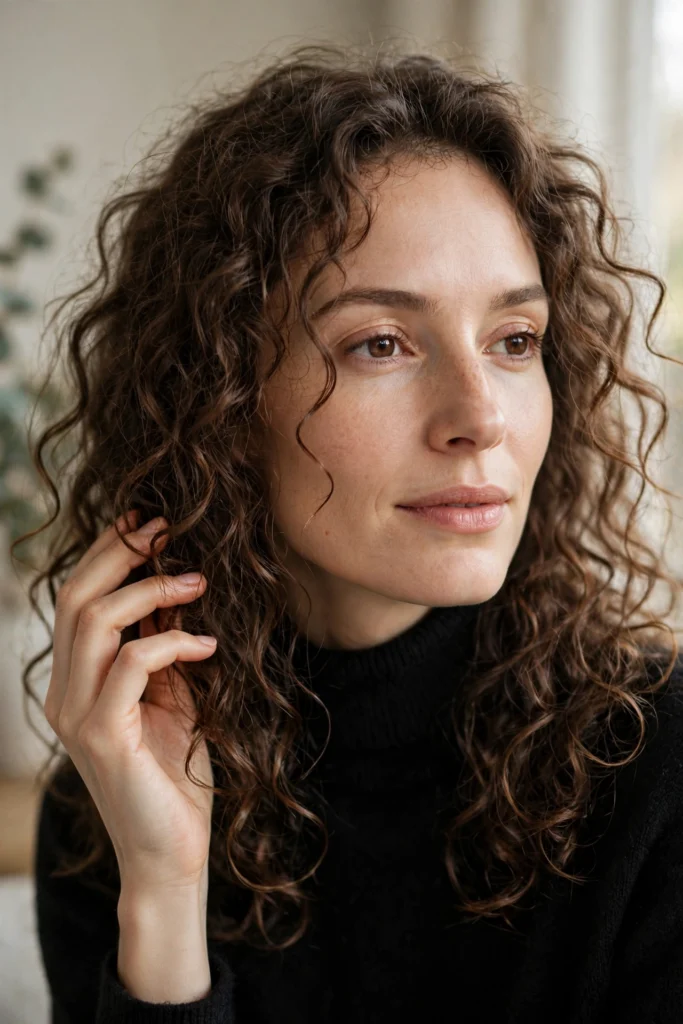
Curly vs. Wavy Hair: Understanding the Difference
When comparing curly vs. wavy hair, the main difference is the natural pattern of the strands. Wavy hair usually forms an S shape, while curly hair forms more defined loops or spirals.
Type 2 hair is generally wavy, Type 3 is curly, and Type 4 is coily. However, one person can have more than one pattern. Identifying your natural texture can help you choose suitable styling products and techniques.
Common Problems With Fine Curly Hair
Fine curly hair can be challenging to style because lightweight strands may lose volume or become weighed down by heavy products.
Common challenges include:
- Flat roots: The hair may lack lift near the scalp.
- Product buildup: Too much styling product can make curls feel heavy.
- Frizz: The hair may look less defined in humid conditions.
- Losing curl definition: Curls may become less noticeable after brushing or using unsuitable products.
- Thinning curly hair: Hair that appears less full may have lower density, although naturally fine strands can also create the appearance of less volume.
Fine hair and thinning hair are different, so avoid assuming that every fine-haired person is experiencing hair loss. Gentle detangling and avoiding tight hairstyles can help reduce unnecessary breakage. If you notice sudden or ongoing thinning, consider speaking with a qualified healthcare professional.
How to Care for Fine Curly Hair
A simple and consistent routine can help fine curls maintain their natural shape without feeling heavy.
1. Use a Gentle Shampoo
Choose a shampoo that cleans your scalp without leaving your hair feeling excessively dry. How often you wash depends on your scalp, product use, and personal needs.
2. Apply Lightweight Conditioner
Use a lightweight conditioner, focusing mainly on the mid-lengths and ends. Applying too much conditioner near the roots may reduce volume for some hair types.
3. Choose a Lightweight Leave-In Product
A lightweight leave-in conditioner or spray can help make detangling easier. Start with a small amount and add more only if needed.
4. Use Mousse or Gel for Definition
Mousse can provide lightweight volume, while gel can help hold the curl pattern. Experiment with small amounts to find what works best for your hair.
5. Dry Your Hair Gently
Avoid rough towel-drying because it can disturb your natural curl pattern. Use a soft microfiber towel or cotton T-shirt to gently squeeze out excess water. You can air-dry your hair or use a diffuser on a suitable setting.
Best Products for Fine Curly Hair
The best products depend on your strand thickness, density, curl pattern, and styling preferences.
- Lightweight shampoo: Helps clean the scalp without unnecessary residue.
- Light conditioner: Provides slip without making the hair feel too heavy.
- Leave-in spray: Helps with detangling and manageability.
- Mousse or foam: Supports volume and curl definition.
- Lightweight gel: Helps hold the curl pattern.
- Serum or oil: Can smooth the ends when used sparingly.
If you have fine curls or 2C wavy hair, start with small amounts of product. You can always add more if your hair needs extra hold or moisture.
How to Style Fine Curly Hair for More Volume
Styling techniques can make a difference in how full and defined your curls appear.
- Apply styling products to damp hair.
- Scrunch your hair gently to encourage the natural pattern.
- Try diffusing with your head tilted to the side for added root lift.
- Avoid repeatedly touching your hair while it dries.
- Once your hair is dry, gently loosen the roots with your fingertips if needed.
For fine curly hair, using several heavy products at once may reduce volume. A simple combination of leave-in spray and mousse or gel may be enough.
Best Haircuts and Hairstyles for Fine Curly Hair
A suitable haircut can help your natural texture look balanced and easier to style.
Layered Bob
A bob with carefully placed layers can help create movement without requiring a complicated routine.
Shoulder-Length Layers
Shoulder-length hair with soft layers can help show the curl pattern while keeping styling manageable.
Curly Pixie Cut
A pixie cut is a shorter option for people who prefer less styling time.
Half-Up Hairstyle
A half-up style keeps some hair away from the face while allowing the remaining curls to show.
Loose Ponytail
A loose ponytail is a simple everyday hairstyle. Avoid tying it too tightly, as repeated tension can contribute to breakage.
Daily and Nighttime Hair Care Tips
Small habits can help you maintain your curls between wash days.
- Detangle gently, preferably when your hair is wet and has conditioner or detangling product applied.
- Use a wide-tooth comb or your fingers.
- Avoid brushing dry curls if it disrupts your natural pattern.
- Consider a satin pillowcase or a loose protective hairstyle at night.
- Refresh your curls with a little water or a lightweight styling product when needed.
- Trim your ends when they become difficult to manage.
Consistency is more useful than using many products at the same time. Pay attention to how your hair responds and adjust your routine accordingly.
Frequently Asked Questions
Is fine curly hair the same as thin curly hair?
No. Fine curly hair refers to the diameter of individual strands, while thin curly hair generally refers to lower hair density. A person can have fine strands and still have a full head of hair.
How do I care for 2C wavy hair?
Use lightweight shampoo, conditioner, and styling products. Apply mousse or gel to damp hair, scrunch gently, and let your waves dry without excessive touching.
What is the difference between curly vs. wavy hair?
Wavy hair usually forms an S-shaped pattern, while curly hair forms more defined loops or spirals. Some people naturally have a combination of both patterns.
Why does my curly hair look thinner?
Fine strands, naturally lower density, styling habits, and the way curls separate can all affect how full hair appears. If you notice a new or ongoing change in hair density, a healthcare professional can help you understand the cause.
Which styling products work best for fine curly hair?
Lightweight mousse, foam, gel, and leave-in sprays are useful options to try. Start with a small amount and adjust based on your hair’s response.
Conclusion
Fine curly hair can look defined, soft, and full of movement with a simple routine and suitable products. Understanding the difference between fine and thin hair, recognizing patterns such as 2C wavy hair, and learning about curly vs. wavy hair can help you make better styling choices. Start with lightweight products, handle your curls gently, and choose hairstyles that work with your natural texture.

1 Comment
[…] Fine Curly Hair: 7 Best Tips for Care and Products […]