




Chart of Titles
- Introduction: Looking After Grey Hair
- Why Does Hair Turn Grey?
- Looking After Grey Hair: Essential Hair Care Tips
- Choose the Right Shampoo and Conditioner
- Keep Grey Hair Moisturized
- Use Purple Shampoo to Reduce Yellow Tones
- Protect Grey Hair from Heat and Sunlight
- Best Products for Looking After Grey Hair
- Protein Shampoo and Strengthening Treatments
- Natural Oils for Grey Hair
- Styling Products for Different Hair Types
- Looking After Grey Hair According to Hair Porosity
- Common Mistakes to Avoid
- Frequently Asked Questions
- Conclusion
Start of Content
Grey hair is a natural part of life, and embracing your silver strands can be a beautiful way to express your personal style. However, changes in texture, dryness, frizz, and unwanted yellow tones can make hair more challenging to manage. Looking After Grey Hair requires a consistent routine that focuses on moisture, gentle cleansing, scalp health, and protection from environmental damage.
Whether you have a few silver strands or a full head of grey hair, the right products can help maintain softness and shine. This guide explains Looking After Grey Hair with practical tips for different hair types, including advice on protein shampoo, natural oils, and suitable styling products.
Why Does Hair Turn Grey?
Hair turns grey when hair follicles gradually produce less melanin, the pigment responsible for its natural colour. Genetics plays an important role in when this happens, although the timing varies from person to person.
Grey hair may feel coarser, drier, more wiry, or more fragile than pigmented hair. Reduced natural oil production can contribute to dryness, while exposure to sunlight, minerals in water, and product buildup may affect its appearance.
Understanding these changes is the first step in Looking After Grey Hair effectively. Instead of following the same routine forever, reassess your hair’s texture and choose products that address its current needs.
Looking After Grey Hair: Essential Hair Care Tips
1. Choose the Right Shampoo and Conditioner
A gentle, moisturizing shampoo can remove dirt and excess oil without leaving your hair feeling stripped. Follow with a nourishing conditioner to improve softness, reduce tangling, and make styling easier.
When Looking After Grey Hair, choose products according to your scalp and hair type rather than relying on colour labels alone. If your hair feels dry, look for moisturizing ingredients such as glycerin or conditioning oils.
A protein shampoo may help improve the feel and manageability of damaged hair, depending on its formulation. However, protein is not essential for everyone. If your hair becomes stiff or rough after protein-rich products, try alternating them with moisturizing products.
2. Keep Grey Hair Moisturized
Moisture is particularly important when Looking After Grey Hair because silver strands can feel rough and become prone to frizz. Use conditioner after shampooing and apply a leave-in conditioner if your hair needs additional softness.
A weekly deep-conditioning treatment may help improve manageability. Apply it according to the product instructions, paying particular attention to dry lengths and ends.
For extra nourishment, some people use a pre poo hair with coconut oil routine before washing. Apply a small amount to the lengths if it suits your hair, then shampoo gently. Coconut oil does not work equally well for everyone, so adjust the amount according to your results.
3. Use Purple Shampoo to Reduce Yellow Tones
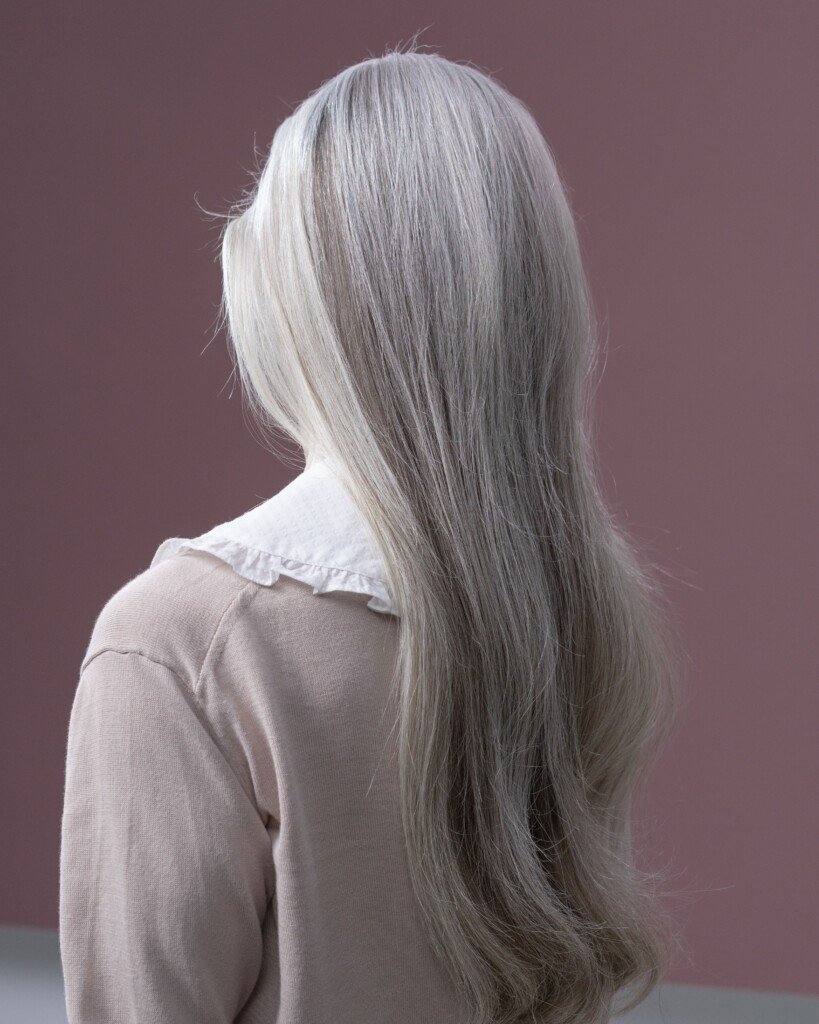
Grey and silver hair can develop yellow or brassy tones because of environmental exposure, product buildup, and minerals in water. Purple shampoo can help neutralize unwanted yellow tones and make grey hair appear cooler.
When Looking After Grey Hair, use purple shampoo according to the label and your hair’s needs. For some people, occasional use is enough. Overuse may leave hair feeling dry or create an unwanted purple tint.
Follow with conditioner to maintain softness. If yellowing continues, consider whether hard water, styling products, or frequent sun exposure may be contributing to the problem.
4. Protect Grey Hair from Heat and Sunlight
Frequent heat styling can increase dryness and breakage. Whenever possible, allow your hair to air-dry and use a low or moderate heat setting when blow-drying.
If you use straighteners, curling irons, or a hair dryer, apply a suitable heat protectant first. These precautions support Looking After Grey Hair while helping preserve its texture and appearance.
Sun exposure can also affect hair condition and contribute to unwanted colour changes. Wear a hat when spending extended periods outdoors and consider hair products designed to provide UV protection.
Best Products for Looking After Grey Hair
Protein Shampoo and Strengthening Treatments
Grey hair that is damaged, brittle, or frequently heat-styled may benefit from a strengthening treatment. A protein shampoo or protein-containing conditioner can temporarily improve the feel of damaged strands, but it cannot permanently repair every type of hair damage.
When Looking After Grey Hair, use strengthening products in moderation and combine them with conditioning treatments. If your hair becomes stiff or difficult to manage, reassess your routine.
Natural Oils for Grey Hair
Natural oils can help soften hair and reduce friction, although the best choice depends on your hair’s texture and porosity.
For example, jojoba oil for low porosity hair may suit people who prefer a lightweight oil. Start with a few drops on the lengths and ends rather than applying a large amount. Too much oil can weigh hair down or create buildup.
If you are learning how to care for high porosity hair, focus on conditioning, gentle detangling, and reducing heat damage. Hair with higher porosity may absorb water readily but can also lose moisture quickly. A leave-in conditioner and a suitable finishing oil may help improve manageability.
Styling Products for Different Hair Types
Choosing suitable styling products makes Looking After Grey Hair easier. Heavy gels, waxes, and oily creams may leave some silver hair looking dull or weighed down.
Lightweight creams, leave-in conditioners, and anti-frizz products can help maintain a natural finish. If you are searching for dry hair styling products, choose formulas that provide conditioning without leaving a heavy residue.
People looking for product for men’s hair can consider lightweight styling creams or flexible-hold products that offer control without making hair stiff. The best option depends on hair length, texture, and preferred hairstyle.
Similarly, the best products for straight hair may include lightweight conditioners and styling lotions that smooth strands without removing natural movement.
Looking After Grey Hair According to Hair Porosity
Hair porosity affects how readily hair absorbs and retains moisture. It is worth considering when building a routine for Looking After Grey Hair.
Low-porosity hair may become weighed down by thick products, so use lightweight conditioners and small amounts of oil. High-porosity hair may need more consistent conditioning and careful handling.
Hair texture matters, too. Course hair, more commonly spelled coarse hair, can feel thicker or rougher and may benefit from richer conditioners. However, coarse hair is not always dry, so choose products based on how your hair actually feels.
Whatever your hair type, detangle gently with a wide-tooth comb, avoid pulling wet strands, and reduce unnecessary heat styling.
Common Mistakes to Avoid
When Looking After Grey Hair, avoid washing with harsh products that leave your hair feeling excessively dry. Do not use purple shampoo every day unless its instructions and your hair’s needs support that frequency.
Avoid applying too much oil or styling product, as buildup can make silver strands look dull. Regular trims can remove split ends and keep your hairstyle neat, although trimming does not make hair grow faster.
A healthy scalp is also important. If you experience persistent itching, scaling, or sudden hair loss, seek advice from a qualified healthcare professional or dermatologist.
Frequently Asked Questions
How often should I wash grey hair?
Wash it according to your scalp’s oiliness, activity level, and product use. Follow shampooing with conditioner if your lengths feel dry.
Can grey hair become shiny again?
Yes. Conditioning treatments, gentle cleansing, appropriate toning products, and reduced heat damage can improve its appearance and shine.
Is purple shampoo necessary for everyone?
No. Purple shampoo is most useful when unwanted yellow tones develop. If your grey hair already has a tone you like, a moisturizing shampoo may be sufficient.
Conclusion
Looking After Grey Hair does not need to be complicated. A gentle shampoo, regular conditioning, occasional toning when necessary, and protection from heat and sunlight can help keep silver strands looking healthy and well-groomed.
Choose products according to your scalp, texture, and porosity rather than following every trend. Whether you use protein shampoo, coconut oil, jojoba oil, or lightweight styling products, pay attention to how your hair responds. With a consistent routine, Looking After Grey Hair can become a simple and rewarding part of your personal care.