
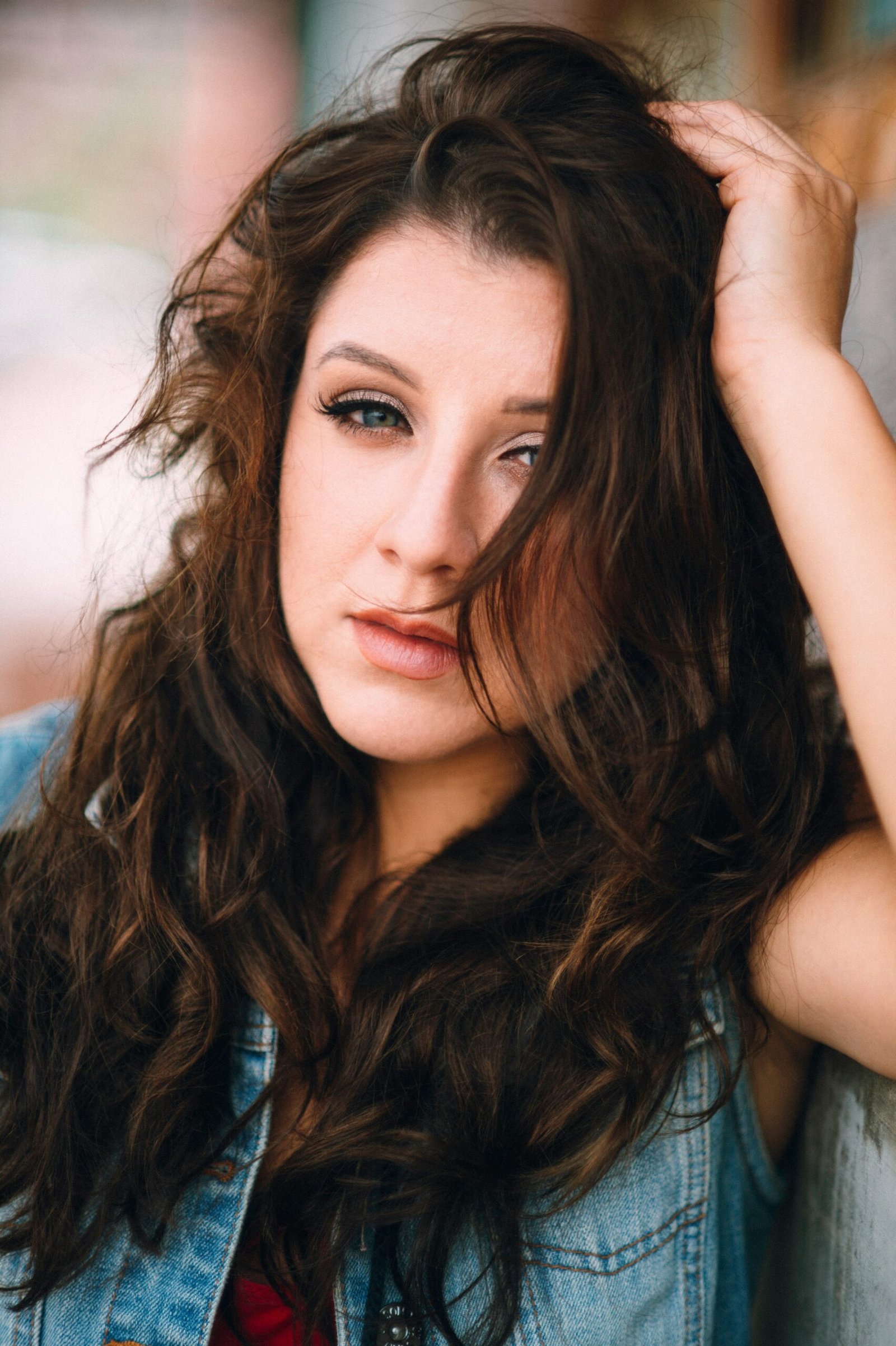


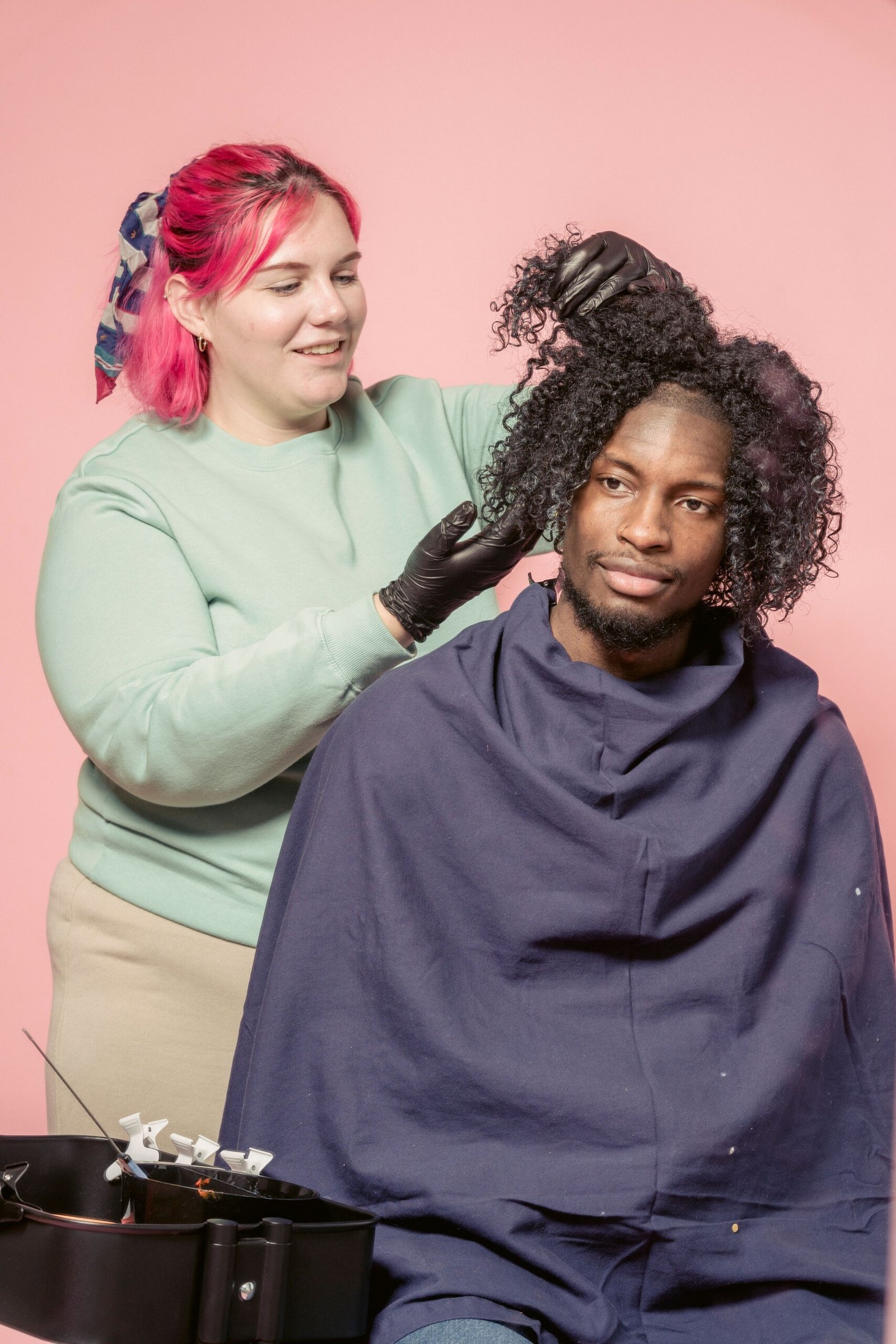
Curly cuts are designed to work with your natural curl pattern and help your hair look well-shaped and defined. Whether you have short, medium, or long curls, the right curly cuts can make your everyday styling easier. Different curly cuts techniques can create different results depending on your hair length, curl pattern, and personal style.
If you are looking for a good curly haircut, it is helpful to understand the different cutting methods, hairstyles, and ways to maintain your curls. This guide explains popular curly cuts, how to choose a suitable style, and how to care for your haircut at home.
What Are Curly Cuts?
Curly cuts are haircuts planned around the natural shape and movement of curly hair. Unlike straight hair, curls can look different depending on how they fall, how much they shrink when dry, and how they are layered.
A good curly cuts style may include layers, face-framing pieces, or a specific shape to help curls sit more evenly. Some stylists cut curls while they are dry, while others prefer to cut wet hair and make adjustments after drying.
The best approach depends for curly cuts depends on your curl pattern, hair density, desired length, and the stylist’s experience.
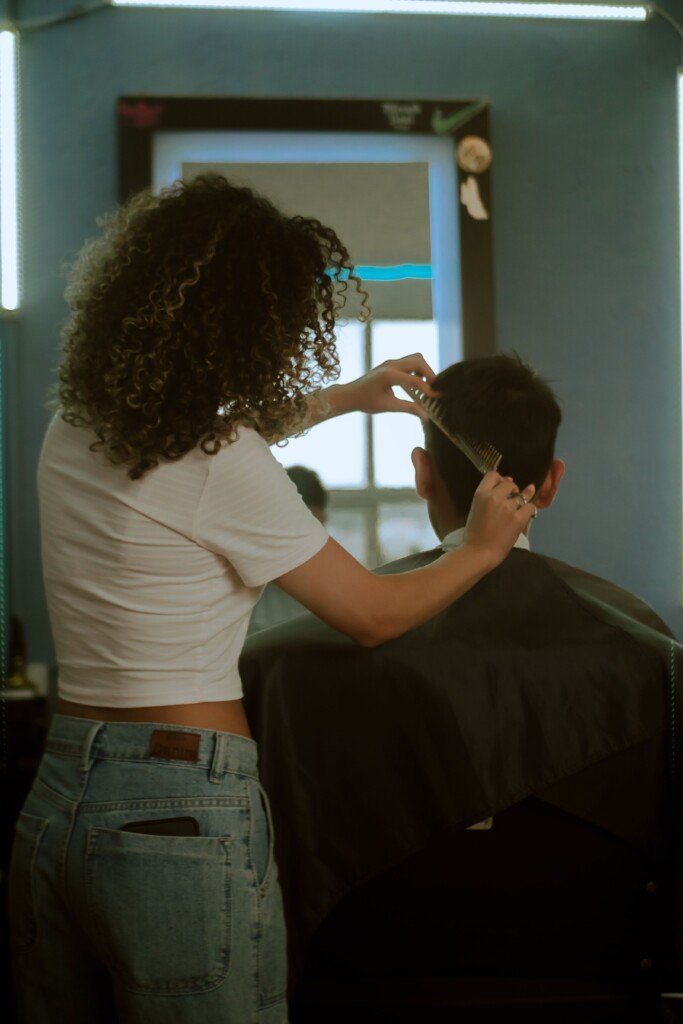
Wet Cut vs. Dry Cut for Curly Cuts
Choosing between a wet cut and a dry cut is an important part of getting a curly haircut. Both methods have benefits, and neither method is automatically best for everyone.
Dry Curly Cuts
A dry curly cuts technique is performed when your hair is dry and your natural curl pattern is visible. This allows the stylist to see how individual curls fall and how much they shrink.
This curly cuts method can be useful for creating a shape that follows your natural curls. However, curls do not always fall evenly, so the stylist needs to consider differences in curl patterns and hair density.
Wet Curly Cuts
A wet curly cuts technique is performed when the hair is damp or wet. The stylist can work with the hair’s length and overall shape before checking how the curls look when dry.
Some stylists combine wet cutting with dry adjustments. This approach allows them to refine the final shape after seeing how the curls settle.
Which Curly Cutting Method Is Best?
The best method depends on your hair and the result you want. A dry cut can help a stylist observe your natural curl pattern, while a wet cut can make it easier to work with the overall length and shape.
During your consultation, ask your stylist which method suits your curls and how they will account for shrinkage.
Popular Curly Cuts and Haircut Techniques
There are several curly cutting techniques and styles to consider. Your choice should depend on your natural texture, preferred length, and how much time you want to spend styling your hair.
Deva Cut
A Deva Cut is one of the most popular curly cuts techniques commonly performed on dry hair. The stylist shapes individual curls according to their natural pattern.
This method may help create a more personalized shape, but the final result depends on your curl pattern and the stylist’s technique.
Ouidad Cut
The Ouidad curly cuts method is associated with shaping curls to manage their overall volume and movement.Depending on the stylist’s approach, the process may involve cutting wet hair and checking the shape after drying.
Discuss your preferred volume and length before choosing this technique.
Rezo Cut
A Rezo Cut is another technique designed for curly hair. It focuses on shaping the hair while considering curl movement and overall volume.
Before booking, ask the stylist about their experience with this method and whether it suits your particular curl pattern.
Layered Curly Cut
A layered curly cut uses different hair lengths to create shape and movement. Layers can help reduce the appearance of excess bulk and allow curls to fall more naturally.
The placement of layers matters because too much or uneven layering can change the overall shape. Tell your stylist whether you want more volume, less bulk, or a softer outline.
Curly Shag Cut
A curly shag cut features layers that create a textured and relaxed appearance. It can work with different curly hair lengths, depending on how the layers are placed.
This style may be a good option if you like a more casual look with movement around the crown and face.
Best Hairstyles to Try With Curly Cuts
Curly cuts can be adapted to short, medium, and long hair. Choosing a style that works with your natural curls can help you maintain a shape you enjoy between salon visits.
Short Curly Bob
A short curly bob is a popular option for people who prefer shorter hair. The length can be adjusted around the chin or jawline, depending on your preference and curl shrinkage.
A well-planned bob can give curls a clear shape without requiring a complicated styling routine. Ask your stylist how the cut will look when your hair is completely dry.
Choppy Hairstyles for Short Hair
Choppy hairstyles for short hair use varied lengths to create a textured and relaxed look. When adapted for curly hair, these layers can add movement and help create a less uniform shape.
If you want a choppy style, show your stylist reference photos and explain how much texture you prefer. The stylist can then decide how to shape the layers without making the ends look too thin.
Shoulder-Length Curly Hair
Shoulder-length curly hair offers several styling options. You can choose soft layers, a side part, or face-framing pieces to give your curls more shape.
This length can be suitable if you want to keep some length while making your hair easier to style. Your stylist can help determine where the layers should begin based on your curl pattern.
Long Layered Curly Hair
Long layers can help curls maintain movement while reducing the appearance of excess bulk. They can also create a more balanced shape around the face.
Before choosing long layers, discuss your preferred length and how much volume you want to keep. Remember that curly hair may appear shorter when dry because of shrinkage.
Curly Bangs and Face-Framing Layers
Curly bangs and face-framing layers can change the appearance of a haircut without shortening all your hair. They can be styled to blend with the rest of your curls or stand out as a feature.
Because curls may spring up when dry, ask your stylist to consider shrinkage before deciding on the final length of your bangs.
V-Cut and U-Cut for Curly Hair
V-shaped and U-shaped haircuts create different outlines at the back of the head. A V-cut creates a more pointed shape, while a U-cut has a softer, rounded outline.
Both options can be discussed with your stylist if you want to keep your hair long while changing its overall shape.
How to Choose the Best Curly Cut for Your Hair
Choosing a suitable curly cut involves more than selecting a photo. Your natural texture, hair density, length, and everyday routine all affect how a haircut may look and feel.
Curl Pattern
Curly hair can range from loose waves to tight coils. Your curl pattern influences how the hair falls and how much it may shrink after cutting.
Choose a stylist who understands different curl patterns and can explain how a particular haircut may work with yours.
Hair Density and Texture
Hair density refers to how much hair you have, while texture describes whether individual strands are fine, medium, or coarse. These factors can affect how full your haircut looks.
Tell your stylist whether your main goal is to reduce bulk, create more movement, or maintain volume.
Hair Length
Think about whether you prefer short, medium, or long hair. A shorter cut may feel easier to manage for some people, while longer hair offers more options for styling.
Consider curl shrinkage before deciding on a final length, especially if you are planning a short bob or curly bangs.
Face Shape and Personal Style
Your personal preferences should be part of the haircut consultation. You might prefer a soft, rounded shape, face-framing layers, or a more textured cut.
Bring photos of styles you like and discuss which features can be adapted to your own curls.
Daily Styling Routine
Consider how much time you want to spend styling your hair. If you prefer a simple routine, tell your stylist before choosing a complex layered haircut.
A good curly haircut should fit your styling habits as well as your preferred appearance.
What Makes a Good Curly Haircut?
A good curly haircut works with your natural curl pattern and creates a shape that suits your preferred length and style. It should also take into account your hair density, curl shrinkage, and daily styling routine.
Before your appointment, explain what you like and dislike about your current haircut. This gives your stylist a clearer idea of the result you want.
How to Prepare for a Curly Cut Appointment
Preparing for your appointment can help you communicate your goals and understand what to expect from the haircut.
Find an Experienced Curly Hair Stylist
Look for a stylist who regularly works with curly hair. Their portfolio can help you understand the types of cuts they create and whether their work matches your preferences.
You can also ask whether they usually cut curly hair wet, dry, or with a combination of both methods.
Bring Reference Photos
Bring three to five reference photos if possible. Choose pictures that show the length, layers, and overall shape you want.
Explain which features you like about each photo rather than expecting your stylist to copy a style exactly. Your own curl pattern may produce a different result.
Discuss Curl Shrinkage
Curly hair can appear shorter when dry than when wet. This is known as curl shrinkage.
If you want to keep a particular length, tell your stylist before the cutting begins. Discussing shrinkage can help you understand how the finished haircut may look.
Follow the Salon’s Hair Preparation Instructions
Different salons may have different preparation requirements. Some may ask you to arrive with clean, dry curls, while others may prefer your hair to be washed or damp.
Follow the instructions provided by your stylist so they can assess your hair appropriately.
Explain Your Everyday Routine
Tell your stylist how you usually wash, dry, and style your curls. Mention whether you prefer air-drying, using a diffuser, or keeping your routine simple.
This information can help the stylist recommend a haircut that fits your daily habits.
How Much Do Curly Cuts Cost?
The price of a curly cut varies by salon, location, stylist experience, appointment length, and the services included.
Some appointments include only the haircut, while others may include washing, conditioning, drying, or styling. A specialist curly cut may also take longer because the stylist needs to assess the curl pattern and shape.
Check the salon’s current price list before booking. Ask what the appointment includes so you can compare services fairly.
How Often Should You Get a Curly Haircut?
How often you need a haircut depends on your preferred style, hair growth, and how well the shape holds over time.
Short cuts or styles with defined layers may need more frequent shaping than longer styles. There is no single schedule that works for everyone.
Pay attention to when your haircut stops sitting the way you like, and ask your stylist to recommend a maintenance schedule for your particular style.
How to Maintain Your Curly Cut at Home
Simple styling habits can help your curly haircut maintain its shape and definition between appointments.
How to Style Short Hair
If you want to learn how to style short hair, start with your usual washing routine and choose products that suit your curl pattern.
Apply your preferred styling product to damp hair and gently scrunch the curls to encourage their natural shape. You can allow your hair to air-dry or use a diffuser according to your usual routine.
Once your hair is dry, arrange the curls gently with your fingers. Try different partings or small changes in direction to see what works best for your cut.
Use Products That Suit Your Curls
Choose styling products according to your hair’s needs and the finish you prefer. Some people like lightweight products, while others prefer richer creams or gels.
Start with a small amount and adjust as needed. Using more product does not always create better curl definition.
Avoid Excessive Brushing
Brushing dry curly hair may disturb the curl pattern and create extra frizz for some hair types. Use a method that works with your curls, such as gently detangling when your hair is damp if that suits your routine.
Maintain Your Haircut’s Shape
Notice how your curls fall as your hair grows. If the shape becomes difficult to style, consult your stylist about whether a trim or adjustment would help.
You do not need to follow the same maintenance schedule as everyone else. Your haircut and personal preferences should guide your next appointment.
Common Mistakes to Avoid With Curly Cuts
Avoiding a few common mistakes can help you make a more informed decision before getting your hair cut.
Choosing a Style Without Considering Shrinkage
A haircut can look longer when wet and shorter after drying. If you want to keep a particular length, discuss shrinkage with your stylist before cutting.
Asking for Layers Without Explaining Your Goals
Layers can create movement, but their placement affects the final shape. Explain whether you want more volume, less bulk, or a textured finish.
Assuming Every Curl Needs the Same Technique
Different curl patterns and hair densities can respond differently to cutting methods. Ask your stylist to explain why they recommend a particular technique for your hair.
Cutting Your Hair at Home Without a Plan
Cutting curly hair at home may seem simple, but uneven sections can change the shape once the curls dry. If you want a major change, consider consulting an experienced stylist first.
Ignoring the Final Styling Routine
A haircut may look different depending on how it is dried and styled. Before leaving the salon, ask your stylist how to recreate the finished look at home.
Frequently Asked Questions About Curly Cuts
Are dry cuts better than wet cuts for curly hair?
Not always. Dry cuts allow the stylist to see the natural curl pattern, while wet cuts can help with shaping and length. The right approach depends on your hair and the stylist’s technique.
Can wavy hair benefit from curly cuts?
Yes. People with wavy hair may also choose a haircut designed around their natural pattern. The stylist should consider the amount of wave, hair density, and desired shape.
Are curly cuts suitable for short hair?
Yes. Short curly bobs, textured cuts, and some choppy hairstyles for short hair can work with natural curls. Curl shrinkage and layer placement should be considered before choosing the final length.
Do layers make curly hair look better?
Layers can add movement and help shape curly hair, but the result depends on their placement and your natural texture. Discuss your preferred volume and outline with your stylist.
How do I find a stylist for a good curly haircut?
Look for a stylist with experience cutting curly hair and review examples of their work. Bring reference photos and discuss your curl pattern, preferred length, and daily styling routine.
How long does a curly haircut appointment take?
Appointment length varies depending on the salon, the cutting method, your hair length, and whether washing and styling are included. Ask the salon how much time to allow when booking.
Final Thoughts
Curly cuts can help you find a haircut that works with your natural texture, preferred length, and personal style. From a short curly bob to long layers and choppy hairstyles for short hair, there are several options to explore.
Before booking, consider your curl pattern, discuss shrinkage, and choose a stylist who understands curly hair. With a suitable haircut and a simple home routine, you can maintain a shape that works for your everyday life.

1 Comment
[…] Curly Cuts: Best Haircuts for 2B Hair Types […]