



Chart of Titles
| No. | SEO Title |
| 1 | Hair Oil for Low Porosity Hair: Best Oils to Try |
| 2 | Best Lightweight Oils for Low Porosity Hair |
| 3 | How to Choose the Right Hair Oil for Low Porosity Hair |
| 4 | Hair Care Routine for Low Porosity Hair |
| 5 | How to Use Hair Oils Without Product Buildup |
Hair Oil for Low Porosity Hair: A Complete Guide
Finding the right hair oil for low porosity hair can be challenging because this hair type absorbs moisture slowly and can easily develop product buildup. Choosing the right hair oil for low porosity hair is important because heavy oils may leave your hair greasy, dull, or weighed down.
The key is choosing a suitable natural hair oil for low porosity hair and applying it correctly. Whether you have straight, wavy, curly, or coily hair, understanding the best hair oil for low porosity hair can help you select the right products.
In this guide, you’ll discover the best oils for low porosity hair, including jojoba oil for low porosity hair and argan oil for curly hair. You’ll also learn how to moisturize hair, choose suitable conditioning products, understand the role of protein shampoo, and build a simple routine that helps minimize product buildup.
What Is Low Porosity Hair?
Low porosity hair has tightly packed cuticles that make it harder for water and hair products to penetrate the hair shaft. As a result, choosing the right hair oil for low porosity hair is crucial, because moisture may take longer to absorb, and heavy products can sit on the hair’s surface.
People with low porosity hair may notice that water initially sits on their strands rather than soaking in quickly. This is why using a lightweight hair oil for low porosity hair is recommended. Heavy creams, thick oils, and excessive styling products can accumulate on the hair, leaving it feeling coated.
Understanding your hair porosity helps you choose the right hair oil for low porosity hair , along with lightweight moisturizing products and conditioning treatments that won’t cause buildup.
Common Signs of Low Porosity Hair
Water takes time to soak into your hair, which is a common sign you need a lightweight hair oil for low porosity hair.Hair products may leave a greasy or sticky feeling when you are not using the right hair oil for low porosity hair. Hair takes a long time to dry. Product buildup can make hair look dull, especially if the hair oil for low porosity hair you use is too heavy. Hair may feel dry despite using conditioners and oils. Thick creams and heavy oils may weigh down your strands, so a light hair oil for low porosity hair works best. Moisturizing products may appear to sit on the hair instead of absorbing easily.
These signs can help you understand your hair’s needs and why choosing the right hair oil for low porosity hair matters, although no single sign confirms your hair porosity.
Best Hair Oil for Low Porosity Hair
The best hair oil for low porosity hair depends on your hair texture, scalp condition, and styling routine. A lightweight hair oil for low porosity hair is often a practical starting point because it is less likely to weigh down fine hair and cause buildup.
When choosing a hair oil for low porosity hair, consider how easily your hair becomes greasy, whether you have curly hair, and whether your main concern is dryness, frizz, tangling, or dullness. The right hair oil for low porosity hair should absorb easily and leave your strands soft, not coated.
1. Jojoba Oil for Low Porosity Hair
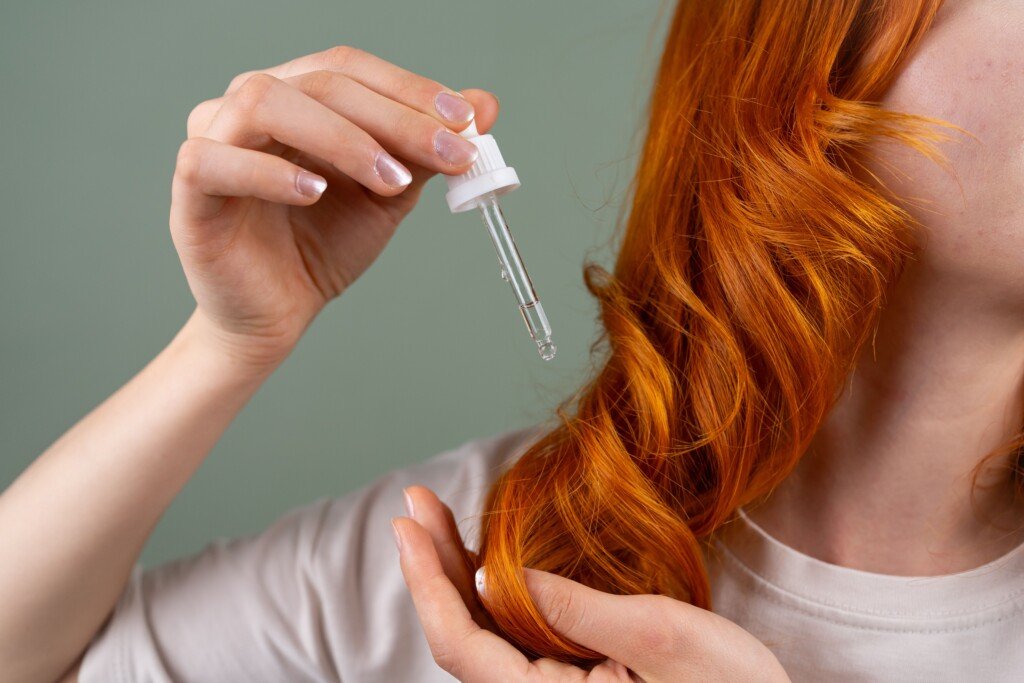
Jojoba oil for low porosity hair is a popular option because it has a relatively lightweight texture. It can help soften hair, improve shine, and reduce friction during styling.
Jojoba oil is especially useful as a hair oil for low porosity hair for people who dislike the heavy feeling that some thicker oils leave behind. Apply a few drops of this hair oil for low porosity hair to the lengths and ends of your hair after washing or whenever your ends feel dry.
Although jojoba oil can help condition the hair, it does not replace water-based hydration. For better results, combine a small amount of this hair oil for low porosity hair with a lightweight leave-in conditioner when needed.
Best for: Fine hair, dry ends, and people who dislike heavy oils.
2. Grapeseed Oil
Grapeseed oil has a light consistency and works well as a hair oil for low porosity hair. It spreads easily through the hair and can help smooth the hair surface and reduce friction without the heavy feel associated with thicker oils.
This oil may be a suitable hair oil for low porosity hair for people with fine strands or hair that becomes greasy quickly. Start with a small amount and distribute it evenly through the lengths instead of applying too much product at the roots.
Best for: Fine hair, oily roots, and lightweight hair care routines.
3. Argan Oil for Curly Hair
Argan oil for curly hair can help improve smoothness, shine, and manageability. Argan oil contains fatty acids and vitamin E, which help condition the hair and make dry ends feel softer.
Curly hair can be prone to frizz and tangling, especially when exposed to humidity, heat styling, or frequent manipulation. A small amount of argan oil can help smooth the appearance of curls and reduce friction when styling.
For low porosity curly hair, avoid applying large amounts of oil because it may coat the strands and make curls feel heavy. Use a lightweight leave-in conditioner first if your hair needs hydration, then apply a few drops of argan oil to the ends.
Best for: Frizzy curls, rough ends, and heat-styled hair.
4. Sweet Almond Oil
Sweet almond oil helps soften hair and improve manageability. Use a small amount because even lightweight oils can feel heavy when overapplied.
It may be helpful for hair that becomes tangled easily or needs additional softness after washing. Smooth a few drops through the mid-lengths and ends, and adjust the amount according to your hair’s thickness.
Best for: Dry lengths, tangled hair, and hair that needs extra softness.
5. Apricot Kernel Oil
Apricot kernel oil is another lightweight option for people who want to condition their hair without using a thick oil or butter.
It can help improve the feel of dry strands and support a lightweight styling routine. If your hair is fine or easily weighed down, begin with one or two drops rather than applying oil generously.
Best for: Fine to medium hair and everyday hair care.
6. Avocado Oil
Avocado oil contains fatty acids and can provide richer conditioning than some lighter oils. However, it may weigh down fine or easily coated hair.
People with thick, coarse, or particularly dry hair may prefer avocado oil in small amounts. If you have low porosity hair, test it on a small section first to see whether it leaves your strands soft or coated.
Best for: Thick, coarse, or particularly dry hair when used sparingly.
How to Moisturize Hair With Low Porosity
Learning how to moisturize hair properly is essential if your strands feel dry even after applying oil. Hair oil can help smooth the hair and reduce moisture loss, but oil alone does not provide the same hydration as water or a water-based conditioner.
For low porosity hair, a simple routine with a gentle shampoo, lightweight conditioner, and a small amount of oil may work better than layering several heavy products.
1. Start With Water-Based Products
Choose a lightweight conditioner or leave-in conditioner that provides hydration without leaving a thick coating. Apply it according to the product instructions, focusing on the lengths and ends.
Water-based products can help make hair feel softer and easier to detangle. You do not need to use multiple moisturizing products at once if one conditioner already works well for your hair.
2. Apply Conditioner to Clean Hair
After shampooing, distribute conditioner evenly through your hair. Leave it on for the recommended time, then rinse according to the directions.
If your hair tangles easily, gently detangle it with your fingers or a wide-tooth comb while the conditioner provides slip.
3. Seal in Moisture With a Small Amount of Oil
Once your hair is damp and conditioned, smooth a few drops of jojoba, grapeseed, or argan oil over the lengths and ends if needed.
Avoid using too much oil because product buildup may prevent your hair from feeling fresh and manageable. Adjust the amount based on your hair texture and how frequently you wash it.
4. Avoid Excessive Heat
Gentle warmth may make conditioning more comfortable, but high temperatures can damage hair. If you use a warm towel or heat cap, follow the product instructions and avoid excessive heat.
With a consistent routine, you can improve softness and manageability without relying on heavy oils or too many styling products.
Which Oils Should You Avoid or Use Sparingly?
Low porosity hair does not automatically need to avoid every heavy oil. The right choice depends on your hair’s response and how much product you use.
Consider using these oils sparingly:
- Castor oil: Thick and potentially difficult to distribute through fine hair.
- Coconut oil: May make some hair feel stiff or coated.
- Olive oil: Can feel heavy when applied in large amounts.
- Mineral oil: May create a coating that some people find difficult to remove.
If your hair becomes greasy, sticky, or dull after oiling, reduce the amount or switch to a lighter formula.
Remember that individual results vary. An oil that works well for someone with thick, coarse hair may feel too heavy on fine hair with low porosity. Test products gradually instead of adding several new oils to your routine at once.
How to Use Hair Oil for Low Porosity Hair
Applying oil correctly is just as important as choosing the right product.
Step 1: Start With Clean Hair
Wash your hair with a suitable shampoo to remove excess oil, dirt, and styling product buildup. Clarify occasionally if your hair feels coated, rather than using a strong clarifying shampoo unnecessarily.
Choose a shampoo that cleans your scalp without leaving your hair feeling excessively dry. If you regularly use styling creams, gels, or oils, you may need occasional clarifying washes to remove residue.
Step 2: Apply Oil to Slightly Damp Hair
After washing, gently squeeze out excess water. Apply a few drops of your chosen hair oil to damp lengths and ends.
For example, jojoba oil may suit fine strands, while argan oil may help smooth frizzy or curly hair. Avoid assuming that one oil works equally well for every hair type.
Step 3: Use a Small Amount
Start with two or three drops of your chosen hair oil for low porosity hair and add more only if needed. Concentrate on dry ends instead of applying large amounts to the scalp.If your hair is particularly fine, you may need even less of the hair oil for low porosity hair. For thicker hair, distribute the oil in small sections to avoid concentrating too much product in one area.
Step 4: Deep Condition With Gentle Warmth
Use a moisturizing conditioner or hair mask according to its instructions after applying your hair oil for low porosity hair. A warm towel or heat cap on a suitable low setting may help improve conditioning. Avoid excessive heat, which can damage the hair.
You do not need an expensive treatment every time you wash your hair. A suitable rinse-out conditioner may be enough for everyday care, while a deep-conditioning mask can be used when your hair needs extra softness.
Step 5: Adjust Based on Results
If your hair feels soft and manageable, continue with the same amount. If it feels greasy or coated, use less oil or apply it less frequently.
Pay attention to your hair after several washes. If a product repeatedly leaves residue or makes your hair difficult to style, try a lighter formula or simplify your routine.
Is the LOC Method Good for Low Porosity Hair?
The LOC method means Liquid, Oil, and Cream. It is designed to layer moisturizing products, but using all three steps may be too heavy for some people with low porosity hair.
A simpler routine may work better:
- Liquid: Apply water or a lightweight, water-based leave-in conditioner.
- Oil: Smooth a small amount of lightweight oil over dry lengths and ends.
- Cream: Add a light cream only if your hair needs additional conditioning.
You do not need to use every step. Choose the combination that leaves your hair moisturized without buildup.
If your hair is fine or becomes greasy quickly, try using a leave-in conditioner and a few drops of oil without adding a thick cream. If you have dense, curly hair, a lightweight cream may improve manageability, depending on how your strands respond.
How to Care for High Porosity Hair Compared With Low Porosity Hair
Understanding how to care for high porosity hair can also help you recognize why different hair types need different routines.
High porosity hair generally has a more raised or damaged cuticle structure, allowing moisture to enter more readily but also escape more easily. Low porosity hair has cuticles that are more tightly packed, so water and products may take longer to penetrate.
Hair Care Differences
For low porosity hair:
- Choose lightweight conditioners and oils.
- Use products sparingly to reduce buildup.
- Avoid layering too many thick creams and butters.
- Use a clarifying shampoo when residue accumulates.
- Focus on water-based hydration and gentle conditioning.
For high porosity hair:
- Use moisturizing conditioners that improve softness and manageability.
- Consider richer leave-in conditioners if your hair tolerates them.
- Use a suitable oil or cream to help reduce moisture loss.
- Limit excessive heat and chemical processing.
- Detangle gently to reduce breakage.
These are general guidelines, not strict rules. Hair can have different porosity levels in different areas, particularly after bleaching, coloring, or heat damage. Choose products according to your hair’s actual needs rather than porosity alone.
Is Protein Shampoo Good for Low Porosity Hair?
A protein shampoo contains ingredients intended to help condition hair or temporarily improve the feel of weakened strands. Depending on its formula, it may contain hydrolyzed proteins such as keratin, wheat protein, or other protein-derived ingredients.
Low porosity hair does not automatically require protein-free products. Some people find that protein-containing formulas help their hair feel stronger or smoother, while others notice stiffness or dryness when they use them too frequently.
How to Choose a Protein Shampoo
Before adding a protein shampoo to your routine, consider the following:
- Check the ingredient list: Look for hydrolyzed proteins if you specifically want a protein-containing product.
- Consider your hair condition: Chemically treated or damaged hair may need a different routine from untreated hair.
- Avoid excessive use: Follow the product directions and observe how your hair responds.
- Balance your routine: Use a suitable conditioner after shampooing if your hair feels dry or tangled.
If your hair becomes stiff, rough, or difficult to manage after using a protein shampoo, reduce its frequency or switch to a gentle shampoo without added protein. Protein treatments are not necessary for everyone, and shampoo alone cannot permanently repair damaged hair.
Does Rosemary Oil Grow Hair?
Many people ask, does rosemary oil grow hair, because rosemary oil is often promoted as a natural ingredient for scalp and hair care.
Research on rosemary oil for hair growth is limited. One frequently discussed clinical study compared rosemary oil with 2% minoxidil in people with androgenetic alopecia over six months. The study reported changes in hair count in both groups at the end of the study, but this does not establish that rosemary oil works for everyone or that it is equivalent to standard hair-loss treatments.
How to Use Rosemary Oil Safely
If you choose to use rosemary essential oil as a hair oil for low porosity hair, remember that it is concentrated and should not be applied undiluted directly to your scalp.
- Dilute it in a suitable carrier oil according to reliable product or professional guidance.
- Patch-test the diluted mixture before wider use.
- Stop using it if you experience burning, itching, redness, or irritation.
- Avoid applying excessive oil if your scalp is prone to buildup.
- Seek advice from a healthcare professional if you experience persistent or sudden hair loss.
Rosemary oil is optional and is not a substitute for diagnosing the cause of hair loss. For low porosity hair, it is also important to distinguish scalp treatments from a hair oil for low porosity hair used to condition the hair lengths and ends.
Tips for Maintaining Healthy Low Porosity Hair
Follow these simple practices to keep your hair soft, shiny, and manageable.
- Choose lightweight, water-based conditioners. These can help hydrate hair without adding unnecessary weight.
- Avoid applying too many styling products at once. Layering several creams, gels, and oils may cause buildup.
- Use a clarifying shampoo when buildup develops. Follow with a suitable conditioner to improve softness.
- Limit excessive heat styling and use a heat protectant. Heat protection can help reduce damage from styling tools.
- Detangle gently, starting at the ends. Work upward in small sections to reduce pulling and breakage.
- Deep condition regularly according to your hair’s needs. Follow the directions on your chosen conditioner or hair mask.
- Avoid excessive protein treatments if your hair becomes stiff or brittle. Adjust the frequency of protein-containing products.
- Trim split ends when necessary. Oils may smooth the appearance of split ends but cannot permanently repair them.
- Choose oils according to your hair texture. Jojoba and grapeseed oil may suit fine hair, while some thicker hair types may tolerate richer oils.
- Keep your scalp clean. Remove excess oil and styling residue as needed, and stop using products that cause irritation.
Remember that oils help condition the hair and may reduce moisture loss, but they do not replace water-based hydration or permanently repair split ends.
Frequently Asked Questions
Which Is the Best Hair Oil for Low Porosity Hair?
Jojoba, grapeseed, argan, sweet almond, and apricot kernel oils are good starting options. The best choice depends on your hair texture and how easily your hair becomes weighed down.
Can I Apply Oil to Low Porosity Hair Every Day?
You can use a small amount when needed, but daily application is not necessary for everyone. If your hair feels greasy or develops buildup, reduce the frequency.
Should I Oil My Scalp if I Have Low Porosity Hair?
Scalp oiling is optional. If your scalp is oily or prone to buildup, focus on conditioning your hair lengths instead. Stop using any oil that causes itching or irritation.
Does Low Porosity Hair Need Protein?
Not necessarily. Some low porosity hair responds well to protein-containing products, while other hair may feel stiff with frequent use. Choose products based on how your hair responds.
Can I Use Argan Oil on Curly Hair With Low Porosity?
Yes. Argan oil may help smooth frizz and improve the appearance of curly hair. Start with a small amount and apply it mainly to the lengths and ends to avoid weighing down your curls.
How Can I Tell Whether My Hair Needs Moisture or Oil?
If your hair feels dry, start with a suitable water-based conditioner or leave-in product. Oil can then help smooth the strands and reduce moisture loss. If your hair feels coated or greasy, reduce the amount of oil and consider whether product buildup needs to be removed.
Is Rosemary Oil Necessary for a Low Porosity Hair Care Routine?
No. Rosemary oil is optional and is not required to maintain healthy low porosity hair. If your main goal is to condition dry strands, a lightweight oil and a suitable conditioner may be sufficient.
Conclusion
Choosing the right hair oil for low porosity hair can help improve shine, softness, and manageability without leaving your hair feeling heavy. Jojoba, grapeseed, argan, sweet almond, and apricot kernel oils are useful options to try.
Start with a small amount, apply oil mainly to your lengths and ends, and combine it with a suitable water-based conditioner. If you have curly hair, argan oil may help smooth frizz, while jojoba oil can be a practical starting option for fine strands.
Focus on learning how to moisturize hair effectively, avoid unnecessary product buildup, and select shampoos and conditioners according to your hair’s needs. Protein shampoo and rosemary oil may have a place in some routines, but neither is essential for everyone.
With a consistent routine and careful product selection, you can keep your low porosity hair looking shinier, feeling softer, and remaining easier to manage.

1 Comment
[…] environmentally friendly shampoo is a hair-cleansing product developed with attention to its ingredients, packaging, manufacturing practices, and overall […]