



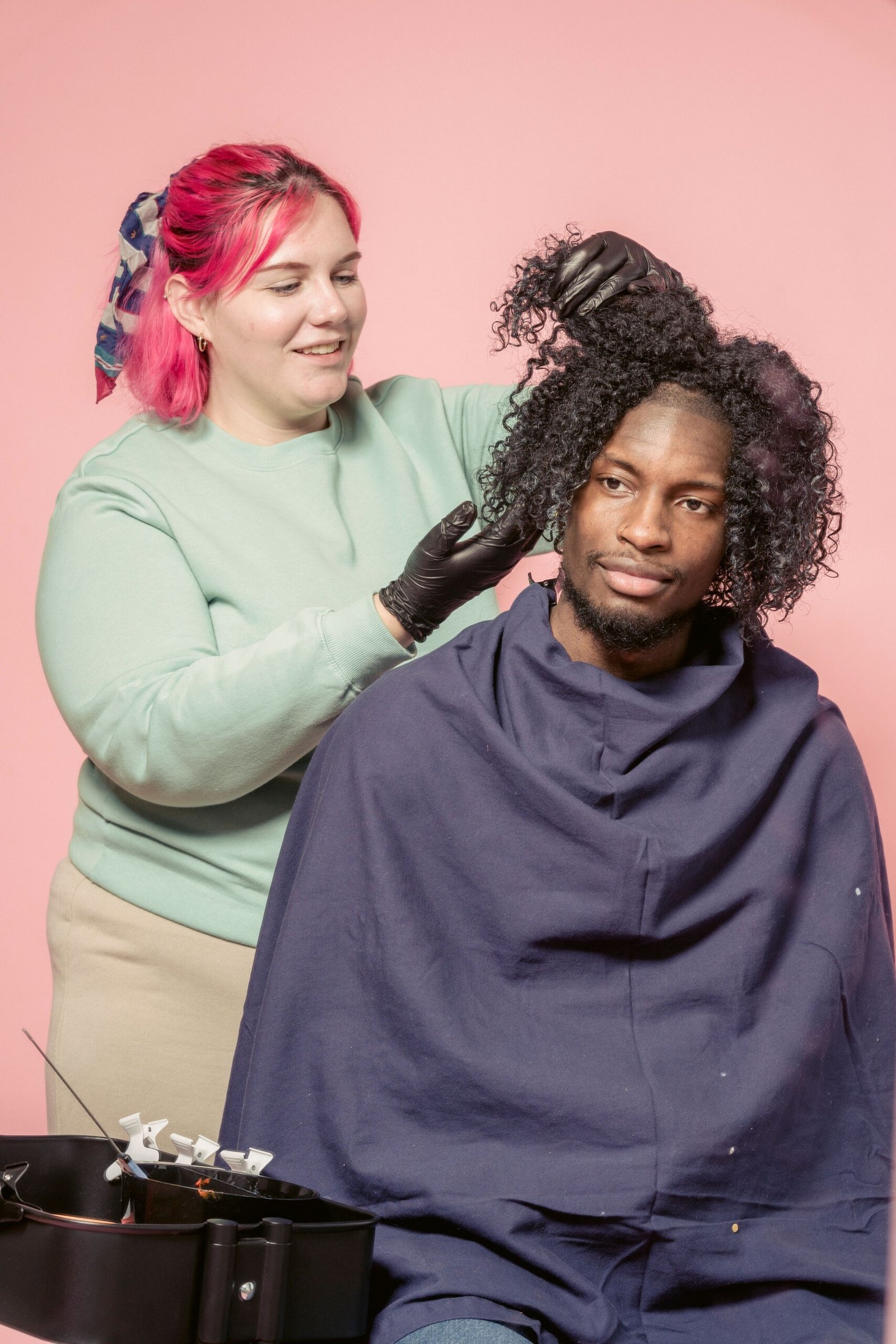

How to make your hair grow thicker is a common question for people experiencing thin hair, hair breakage, or reduced hair volume. Genetics play an important role in determining your natural hair thickness, but if you are wondering how to make your hair grow thicker, your diet, scalp health, hair care routine, and styling habits can also affect how full your hair looks. The good news is that simple, consistent changes can help strengthen hair strands, reduce breakage, and support healthy hair growth when learning how to make your hair grow thicker.
Whether you have naturally fine hair or are noticing more shedding than usual, understanding the right hair care practices is an important first step for how to make your hair grow thicker. In this guide, you will discover practical tips, natural remedies, nutrition advice, and product recommendations to help you achieve thicker-looking hair and truly understand how to make your hair grow thicker naturally.
Table of Contents
- Understanding Hair Thickness and Growth
- How to Make Your Hair Grow Thicker Naturally
- Eat a Balanced Diet for Healthy Hair
- Maintain a Healthy Scalp
- Use the Right Shampoo and Conditioner
- Reduce Heat Styling and Hair Damage
- Try Natural Hair Care Remedies
- Choose Volumizing Hair Products
- Common Mistakes to Avoid
- When to Seek Professional Help
- Frequently Asked Questions
Understanding Hair Thickness and Growth
Before exploring how to make your hair grow thicker, it is helpful to understand what determines hair thickness. If you want to learn how to make your hair grow thicker naturally, you first need to know about hair density. Hair density refers to the number of hair strands growing on your scalp, while hair thickness can describe the diameter of individual strands.
Some people naturally have fine hair because of genetics, while others experience thinning because of aging, hormonal changes, stress, nutritional deficiencies, or damage caused by styling. Understanding the root cause is the first step in learning how to make your hair grow thicker.
Although home remedies and hair care products cannot permanently change your genetic hair density, they can improve the condition of existing strands if you are learning how to make your hair grow thicker. Healthy hair is less likely to break, and reduced breakage can help your hair maintain its length and appear fuller, which is key for how to make your hair grow thicker.
If your hair suddenly becomes thinner or you notice excessive shedding, identifying the underlying cause is important before choosing a treatment.
How to Make Your Hair Grow Thicker Naturally
Learning how to make your hair grow thicker starts with building a consistent routine that supports scalp health and protects your hair from damage. The following tips can help you improve your hair’s strength and appearance over time.

1. Eat a Balanced, Nutrient-Rich Diet
Your hair needs adequate nutrition to grow normally. Hair strands are primarily made of keratin, a structural protein, so getting enough protein is essential for maintaining healthy hair.
Include nutrient-rich foods such as:
- Eggs: Provide protein and biotin.
- Fish: Salmon and other oily fish provide protein and omega-3 fatty acids.
- Nuts and seeds: Supply healthy fats, zinc, and other nutrients.
- Leafy green vegetables: Provide vitamins and minerals, including folate and iron.
- Beans and lentils: Offer plant-based protein and iron.
- Whole grains: Supply energy and important micronutrients.
- Fruits: Provide vitamin C and antioxidants.
A balanced diet supports normal hair growth and helps prevent nutritional deficiencies that may contribute to shedding. However, taking extra vitamins does not necessarily make hair grow faster if you already receive enough nutrients.
2. Keep Your Scalp Clean and Healthy
A healthy scalp provides a suitable environment for normal hair growth and is essential for how to make your hair grow thicker. Excess oil, dead skin cells, and styling product buildup can leave your scalp uncomfortable and your hair looking flat, which makes it harder to learn how to make your hair grow thicker..
Use a shampoo that suits your scalp and hair type if you want to know how to make your hair grow thicker. If your scalp is oily, you may need to wash more frequently, while dry or curly hair may benefit from less frequent washing to maintain thickness.
Gently massage your scalp with your fingertips while shampooing when following a routine for how to make your hair grow thicker. Avoid scratching with your nails because this can irritate the skin.
Scalp massage may help you relax and could have benefits for hair thickness, but if you are researching how to make your hair grow thicker, note that strong evidence that it directly stimulates substantial hair regrowth remains limited.
3. Choose the Right Shampoo and Conditioner
Selecting suitable hair care products is another important part of understanding how to make your hair grow thicker. The right products can improve softness, reduce tangling, and create a fuller appearance.
For fine or flat hair, consider a lightweight volumizing shampoo that cleanses without leaving heavy residue. A lightweight conditioner can help detangle the lengths without weighing down the roots.
If your hair is dry, damaged, or color-treated, look for moisturizing ingredients such as glycerin, panthenol, and suitable conditioning agents.
Apply conditioner mainly to the mid-lengths and ends if your roots become oily or lose volume easily. You do not need to avoid conditioner altogether, because proper conditioning helps reduce friction and breakage.
Remember that shampoo and conditioner improve hair condition and appearance, but they cannot create new follicles or guarantee increased hair density.
4. Reduce Heat Styling and Hair Breakage
Frequent use of straighteners, curling irons, and high-temperature blow dryers can weaken hair fibers. Damaged strands may develop split ends and break, making your hair appear thinner.
To protect your hair:
- Reduce the frequency of heat styling.
- Use a heat protectant before applying hot tools.
- Choose a lower temperature whenever possible.
- Let your hair air-dry when convenient.
- Avoid repeatedly straightening the same section.
- Use gentle techniques when detangling.
These habits help preserve your existing hair length and improve the appearance of fullness. If you regularly bleach, relax, or chemically treat your hair, consider spacing out treatments to reduce cumulative damage.
5. Handle Wet Hair Gently
Wet hair is more vulnerable to stretching and mechanical damage than dry hair. Rough towel-drying and aggressive brushing can increase breakage, especially if your hair is already weakened.
After washing, gently squeeze excess water from your hair using a soft towel or microfiber towel. Avoid rubbing the strands vigorously.
Use a wide-tooth comb to detangle your hair, starting at the ends and gradually working toward the roots. If your hair is curly or tightly coiled, detangling with conditioner may help reduce friction.
Protective habits like these are a practical part of how to make your hair grow thicker, because preventing breakage helps your hair retain its length and look healthier.
6. Try Natural Oils Carefully
Natural oils can improve hair softness and help reduce friction, but their effects differ depending on the oil and your hair type.
Coconut oil: Some evidence suggests coconut oil can reduce protein loss from hair fibers, helping protect against damage.
Jojoba oil: This lightweight oil can help condition the hair and reduce dryness.
Rosemary oil: Limited research suggests it may help certain types of hair loss, but stronger studies are needed to confirm its effectiveness.
Castor oil: It can coat and moisturize hair, but there is insufficient evidence that it directly stimulates hair growth.
If you try essential oils, never apply concentrated essential oils directly to your scalp. Dilute them appropriately in a carrier oil, test a small area first, and stop using them if irritation develops. Oils may also make fine hair look greasy or weigh it down.
7. Get Enough Sleep and Manage Stress
Stress can affect the hair growth cycle and sometimes trigger a condition called telogen effluvium, which causes increased shedding. This type of shedding may develop after significant emotional stress, illness, surgery, or another physical stressor.
Although managing stress cannot prevent every type of hair loss, healthy daily habits can support general well-being.
Try to maintain a regular sleep schedule, exercise consistently, eat balanced meals, and make time for relaxing activities. Meditation, walking, and breathing exercises may help you manage everyday stress.
If shedding starts after a stressful event, remember that recovery can take several months. Persistent or severe shedding deserves professional assessment rather than relying exclusively on home remedies.
8. Use Volumizing Products for Fuller-Looking Hair
If your hair is naturally fine, styling products can create the appearance of thicker hair almost immediately.
Consider these options:
- Volumizing shampoo: Helps remove buildup and creates a lighter feel.
- Root-lifting spray: Adds lift near the scalp.
- Volumizing mousse: Provides body and structure without requiring heavy products.
- Texturizing spray: Creates separation and fullness.
- Lightweight dry shampoo: Absorbs excess oil and can add texture between washes.
- Hair-thickening fibers: Temporarily make sparse areas look fuller by attaching to existing hair.
Apply styling products according to their instructions and avoid excessive buildup. If your hair is fine, start with a small amount and add more only if needed.
These products do not permanently increase hair growth, but they can be useful when your immediate goal is fuller-looking hair.
9. Trim Damaged Ends Regularly
Haircuts do not make hair grow faster from the roots. However, trimming damaged ends can improve the appearance of your hairstyle and reduce the visibility of split ends.
If your hair frequently breaks, ask your stylist to assess the damage and recommend a suitable trimming schedule. You may not need frequent or significant cuts if your ends remain healthy.
Combined with gentle brushing, conditioning, and heat protection, regular trims can help you maintain a fuller-looking style while preserving healthy length.
10. Consider Professional Treatments for Hair Thinning
If you are researching how to make your hair grow thicker because you have noticed progressive thinning, professional treatment may be more effective than home remedies alone.
A dermatologist can assess your scalp, medical history, medications, and nutritional status to help identify the cause.
Depending on the diagnosis, treatment options may include:
- Minoxidil: A medication used for certain types of hair loss.
- Low-level light therapy: May improve hair density in some people with particular forms of hair loss.
- Prescription treatments: May be appropriate for specific hormonal or inflammatory causes.
- Nutritional treatment: May help when a confirmed deficiency contributes to shedding.
Not every treatment works for every person. Some require ongoing use, and medications can have side effects or may not be suitable for everyone. Consult a qualified healthcare professional before starting treatment.
Common Mistakes to Avoid
Even with a good routine, certain habits can undermine

1 Comment
[…] hair includes wavy, curly, coily, and kinky hair patterns. These patterns vary in curl tightness, strand thickness, density, and porosity. Understanding these characteristics helps you choose […]